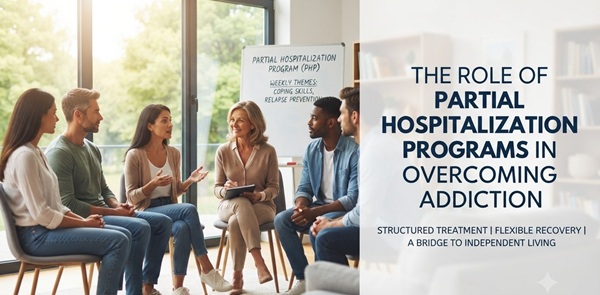
The Role of Partial Hospitalization Programs in Overcoming Addiction
The road to recovery from addiction is not always smooth. Many people need more than outpatient counseling, but not enough to warrant 24-hour residential care. Partial hospitalization will be a key factor in addiction treatment here. Structured treatment programs provide intensive treatment, medical supervision, and recovery services and enable an individual to live at home every day.
For those looking for an alternative to inpatient and outpatient treatment, PHP addiction recovery offers stability and support that can help them build a strong foundation for recovery.
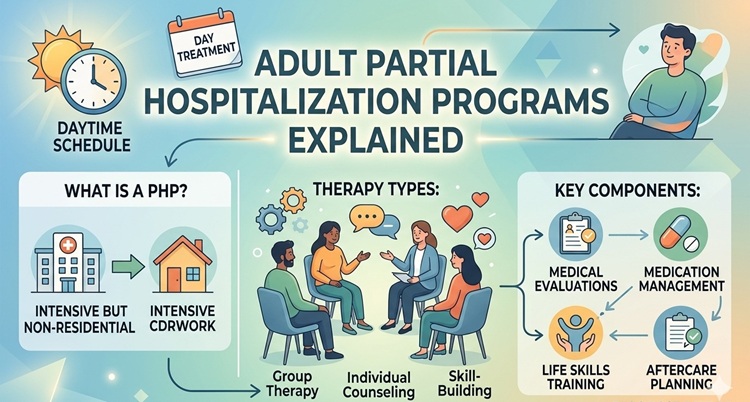
Partial hospitalization programs for addiction are a treatment option that’s offered between outpatient treatment and inpatient rehab. They come to treatment several hours a day, several days a week, receive evidence-based treatment, medical care, relapse prevention education, and mental health care, and continue to live at home.
Intensive outpatient and partial hospitalization treatment programs have been demonstrated to work for many people with a substance use disorder and can be effective if they are integrated with continued treatment support, family engagement, and individualized treatment plans. Through these programs, people learn to cope and reduce any underlying mental health issues, then move to their safe recovery.
Key Takeaways:
- Partial hospitalization programs offer intensive addiction treatment without the need for overnight stays.
- It’s the middle ground between residential treatment and outpatient treatment.
- Therapy, medical care, relapse prevention training and mental health support are provided to the participants.
- For those who have a need for treatment in a structured environment but do have responsibilities at home, PHPs work well.
- Intensive outpatient levels of treatment are supported as effective treatment for many who recover from substance use disorders.
- Recovered life expectancy is increased, and recovery is enhanced with personalized treatment plans and long-term sobriety
Understanding Partial Hospitalization Programs
A partial hospitalization program is one of the most intensive outpatient addiction treatment programs currently on the market. Treatment is usually given for 5-7 days a week for several hours a day, in either a residential treatment facility or a supportive living facility.
Programs are successful at helping someone overcome addiction without taking them into a full residential program. Achieving stabilization in both physical and emotional well-being as well as gaining skills for lasting recovery.
Based on addiction treatment guidelines, PHPs may consist of:
- Individual therapy
- Group counseling
- Family therapy
- Medication management
- Psychiatric support
- Relapse prevention education
- Life skills development
- Recovery planning
Since addiction impacts each aspect of a person’s life, addiction treatment is not just about an addict’s use of drugs, but also about their emotional, behavioral, psychological, and social needs.
Why Structured Treatment Matters in Recovery
Triggers, cravings, and emotional stress are some of the most difficult aspects to deal with in early recovery. People coming out of a detox or residential treatment can come out feeling empowered but overwhelmed when they get back home.
The structured environment provides accountability and the opportunity for practice of recovery skills in real-world situations.
Each day during a PHP consists of therapy sessions, education groups, coping skills training, and periodic reassessment. This uniformity will enable people to form good habits and minimize the chances of relapse.
The structure helps to restore confidence. As the client becomes more stable and begins to experience less of a need to use substances, they can manage the stressors in their work, family, social, and daily lives without resorting to substances.
The Connection Between Addiction and Mental Health
It is also worth mentioning that many of those who are addicted have mental illnesses such as anxiety disorder, depression, trauma-related disorder or mood disorder.
These conditions often happen simultaneously and if left untreated, can complicate drug addiction recovery.
Good part-time programs can target both mental health and addiction issues. The holistic nature of this approach enables treatment providers to uncover emotional issues that might contribute to substance use.
Therapists may select the most successful method, which may include:
- Behavioral Therapy (CBT):
- Dialectical Behavior Therapy (DBT)
- Trauma-informed therapy
- Motivational Interviewing
- Mindfulness-based interventions
Combined treatment of both conditions leads to better long-term outcomes and risk of relapse.
Call WellMind Therapy Center Today
To talk on the telephone with a caring professional and start your journey to recovery, call WellMind Therapy Center today at (682) 432-1571.
Research on the effectiveness of PHPs.
Intensive outpatient and partial hospitalization programs for substance use disorders have long been proven to be effective in clinical studies.
Research funded by the National Institutes of Health has shown that intensive outpatient treatment can yield the same benefits as inpatient treatment for many patients, especially if treatment is tailored to their needs and they receive follow-up care.
In the same vein, addiction treatment professionals acknowledge PHPs as a vital level of care, offering patients all of the therapeutic services they require and enabling them to stay in touch with their communities and support.
One reason why partial hospitalization programs are so successful is that they are able to use clinical intensity along with real-life application. The strategies learned can be used by participants in their personal context right away.
Who Benefits Most from a Partial Hospitalization Program?
Not all individuals will need the same amount of recovery. PHPs are used for people who:
- Have completed detoxification
- Requires greater assistance than outpatient therapy.
- Are in transition from residential treatment
- Recently experienced a relapse in their condition
- Fight against multiple mental health issues
- Need medical supervision in the recovery phase
- Requires organized treatment but still wants to be involved in family responsibilities.
Whether partial hospitalization programs are the best course of action in the battle against addiction is determined by a professional assessment.
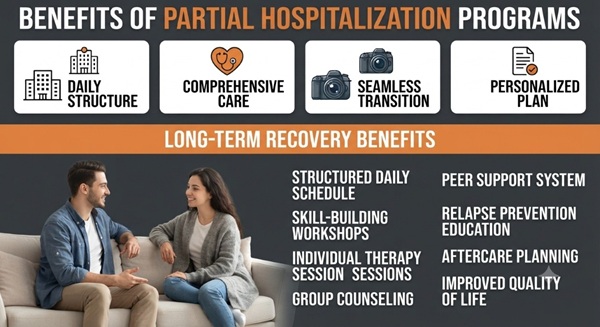
How PHPs Help Prevent Relapse
One of the most important aspects of any addiction treatment program is relapse prevention. Recovery is more than just abstaining from drugs and alcohol, it’s learning to cope with emotions, relationships, and stress in new ways.
Partial hospitalization programs offer the opportunity to the individual to learn how to respond to personal triggers in a healthier way.
In therapy and skills training, individuals acquire the skills to:
- Recognize high-risk situations
- Manage cravings effectively
- Improve emotional regulation
- Acquire positive communication skills
- Strengthen support networks
- Develop individual relapse prevention plans.
This preventive strategy gets people ready for future recovery issues.
The Importance of Family Involvement
Addiction is not limited to the individual but impacts the entire family. During active drug use, family relationships may be strained, and trust and communication can be an issue.
Family counseling and education sessions are offered by many partial hospitalization programs for drug and alcohol addiction. These services may be available to help loved ones to understand addiction, to re-establish trust, and to learn healthy approaches to support recovery.
Familiar participation in treatment can lead to better support systems and long-term outcomes for individuals.
Building a Foundation for Long-Term Recovery
Recovery is an ongoing journey, well after treatment has ended. A major objective of PHP is to teach skills that will enable the addict to sustain the recovery process.
At the end of treatment, participants will:
- Improved coping mechanisms
- Stronger emotional resilience
- Greater self-awareness
- Relapse prevention strategies
- Community support connections
- Sustaining success aftercare plans.
People who have the resources to deal with life’s issues healthily will have an easier time transitioning from intensive recovery to independent recovery.

Start Your Recovery With Us
Embark on a voyage of discovery with us and begin your recovery.
Time and a level of care are needed for improvement. Many individuals can receive the proper amount of treatment and freedom with partial hospitalization addiction treatment.
These programs give a person lasting recovery skills and a relationship to living in everyday life through the integration of evidence-based therapy, medical support and relapse prevention, and mental health care.
If you are in a position to take the next step, then the team at WellMind Therapy Center will support you. To find out how our treatment programs can help you on the road to wellness and recovery, give us a call today at (682) 432-1571.
Frequently Asked Questions
1. What is a partial hospitalization program for addiction?
A partial hospitalization program is an intensive outpatient treatment option that provides several hours of therapy and support each day while allowing participants to live at home and maintain certain personal responsibilities.
2. How long do partial hospitalization programs typically last?
Most programs last several weeks to a few months. Treatment duration depends on individual needs, progress, substance use history, mental health concerns, and recommendations from the clinical treatment team.
3. Are partial hospitalization programs effective for addiction recovery?
Research shows that partial hospitalization programs can be highly effective for many individuals. They provide structured care, evidence-based therapies, accountability, and ongoing support that promote lasting recovery outcomes.
4. Can someone work while attending a partial hospitalization program?
Some individuals may continue working part-time, but PHP schedules are intensive. Treatment plans are designed around recovery priorities while balancing personal responsibilities whenever possible and clinically appropriate.
5. What therapies are commonly used in PHP addiction treatment?
Most programs use cognitive behavioral therapy, dialectical behavior therapy, group counseling, family therapy, relapse prevention education, medication management, and trauma-informed approaches to support comprehensive addiction recovery.
Disclaimer
This blog is intended for educational and informational purposes only and should not be considered medical advice, diagnosis, or treatment. Always consult a qualified healthcare professional regarding any questions about addiction, mental health conditions, or treatment options.
References
- American Addiction Centers. Partial Hospitalization Programs (PHPs) for Substance Abuse Treatment.
- McCarty D, Braude L, Lyman DR, et al. Substance Abuse Intensive Outpatient Programs: Assessing the Evidence. National Center for Biotechnology Information (NCBI).