

If you are seeking a structured, professional solution for psychiatric challenges without 24-hour hospitalization, the specialized Mental Health IOP Near Me at WellMind Therapy Center provides flexible, evidence-based intensive outpatient care right here in Fort Worth, Texas.
Our accredited mental health IOP programs deliver rigorous clinical therapy, group counseling, and psychiatric oversight while allowing you to sleep in your own bed and maintain daily obligations.
Specialized Mental Health IOP Programs and Services Offered
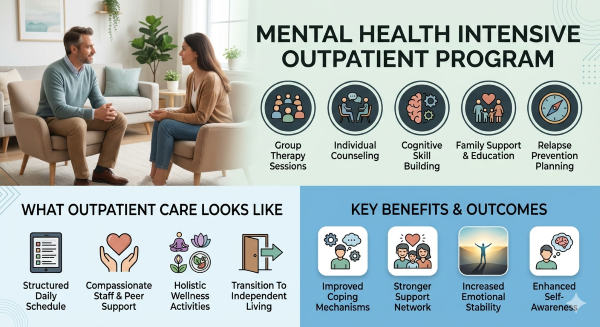
Navigating psychiatric distress requires targeted, multifaceted clinical interventions. Our services are structured around evidence-based treatment modalities designed to build long-term stability. Clients enrolled in our behavioral health IOP programs receive access to an array of clinical treatments, including
- Cognitive Behavioral Therapy (CBT): Identifying and altering maladaptive thought patterns to adjust emotional responses and behaviors.
- Dialectical Behavior Therapy (DBT): Teaching concrete skills for distress tolerance, emotional regulation, and interpersonal effectiveness.
- Psychiatry and Medication Management: Regular clinical assessments and specialized medication management to support chemical stability.
- Dual Diagnosis Treatment: Integrated care protocols addressing co-occurring mental health conditions and substance use disorders concurrently.
Our structured mental health IOP operates multiple days per week. This intensive format bridges the gap between traditional weekly counseling and restrictive inpatient psychiatric hospitalization.
Identifying Signs and Symptoms Requiring a Mental Health IOP
Determining the appropriate level of psychiatric care is critical for long-term recovery. Individuals benefiting from mental health IOP programs frequently experience persistent symptoms that disrupt occupational, social, or domestic functioning. Recognizing these indicators early can prevent acute psychiatric crises.
Common clinical signs and symptoms that necessitate enrollment in a specialized mental health IOP track include the following:
- Severe Functional Impairment: Inability to consistently perform duties at work, succeed at school, or manage household responsibilities.
- Inadequate Traditional Therapy Progress: Continued emotional or behavioral deterioration despite actively attending weekly individual therapy sessions.
- Compromised Support Systems: Requiring more structured clinical monitoring than family members or friends can safely provide at home.
- Persistent Mood Instability: Experiencing intense, prolonged episodes of depression, overwhelming anxiety, panic, or unmanageable mood swings.
Level of Care Comparison: IOP vs. Competitors
To help you understand your recovery options, the table below outlines how our intensive outpatient program compares to standard local psychiatric care options:
| Service Feature | WellMind Therapy Center IOP | Standard Outpatient Therapy | Inpatient Psychiatric Care |
| Weekly Treatment Hours | 9 to 15 hours per week | 1 to 2 hours per week | 24-hour constant monitoring |
| Living Arrangements | Sleep at home in Fort Worth | Sleep at home in Fort Worth | Locked residential unit |
| Schedule Flexibility | High (Day or evening tracks) | High (By appointment) | None (Fully restricted) |
| Primary Clinical Focus | Skill-building & stabilization | General maintenance & advice | Acute crisis stabilization |
Why Choose WellMind Therapy Center in Fort Worth?
Selecting the right provider for your mental health recovery journey influences your clinical outcome. Our center delivers elite psychiatric care tailored directly to the needs of local residents.
- Experienced Multi-Disciplinary Team: Our licensed clinicians, psychologists, and psychiatrists collaborate to deliver comprehensive, highly individualized treatment plans. Learn more about our team’s background.
- Flexible Scheduling Formats: We offer convenient daytime and evening therapy tracks, minimizing disruptions to your career, education, and family commitments.
- E-E-A-T Verified Protocols: Our evidence-based curricula adhere strictly to recognized industry best practices, maximizing clinical safety and therapeutic efficacy.

Reclaim Stability and Health Today
You do not have to navigate complex mental health struggles in isolation. At WellMind Therapy Center, we are dedicated to helping individuals in Tarrant County find real, lasting healing. Our friendly admissions team is available to verify your insurance benefits, answer program questions, and guide you through our comprehensive onboarding process.
Take the first step toward a healthier future. Contact our professional admissions office right now at (682) 432-1571 to schedule your initial clinical assessment.
Frequently Asked Questions
1. How long do intensive outpatient programs typically last?
The typical duration for standard treatment tracks ranges from 8 to 12 weeks, depending entirely on an individual’s clinical presentation and medical progress. For further details, view our complete guide for recovery.
2. Does health insurance cover the cost of a mental health IOP?
Yes, most major commercial health insurance policies cover intensive outpatient psychiatric care. Our staff coordinates directly with insurance providers to confirm benefits and minimize out-of-pocket costs for clients.
3. What is the main difference between PHP and IOP care levels?
A partial hospitalization program provides intensive clinical care lasting 5 to 6 hours per day, five days a week, whereas an IOP offers greater scheduling flexibility with fewer mandatory hours. Discover more by reading our breakdown on php vs iop.
4. Can I continue working while enrolled in the program?
Yes, our specialized tracks feature flexible morning and evening formatting explicitly designed to accommodate working professionals and students, allowing you to sustain your career while receiving professional psychiatric care.
5. What happens once I complete my scheduled treatment track?
Upon successful completion, our clinical staff designs a customized aftercare plan, which frequently includes transitioning into traditional outpatient therapy, joining peer support groups, and maintaining scheduled medication management check-ins.