What are Mental Health Outpatient Services?
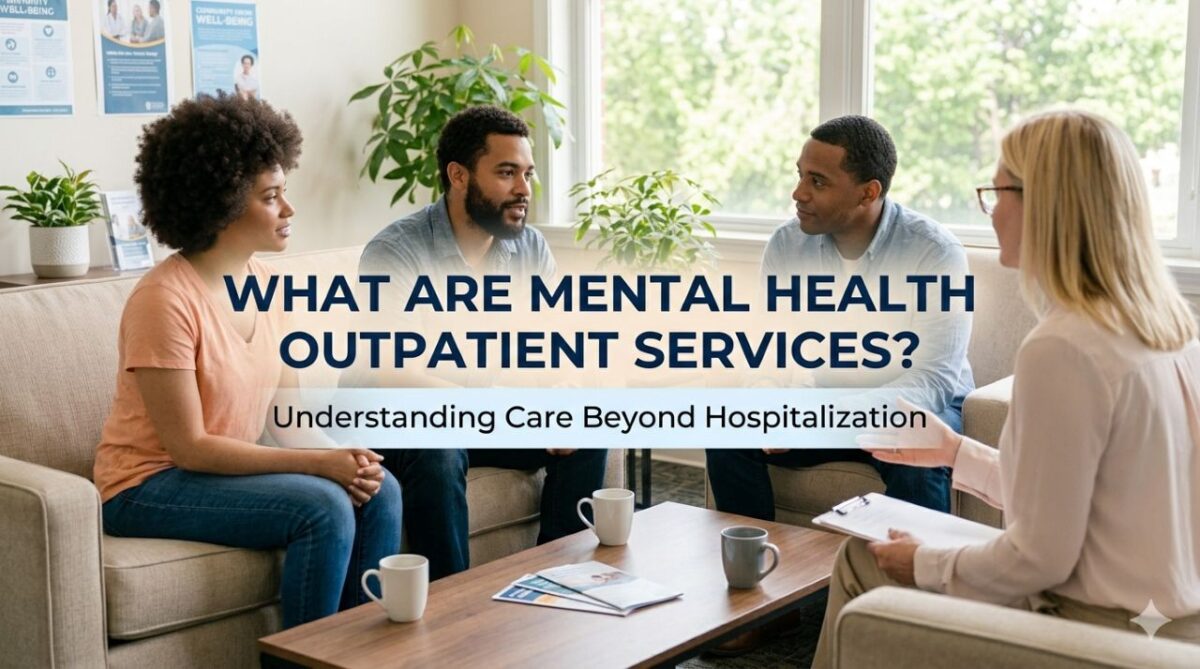
Mental health issues can disrupt aspects of life, including relationships, performance at work, sleep patterns, physical health and emotional health. What are the outpatient services for mental health? Mental health outpatient services are just what many people look for as they seek professional help which doesn’t interfere with their daily lives. Mental health outpatient services are systematic mental health care, counseling, and/or psychiatric services or programs with emotional support, and the person can reside at home and attend school or work.
Outpatient treatment at WellMind Therapy Center is created to assist individuals in coping with their symptoms, developing coping mechanisms, and enhancing their general mental health and wellness in an encouraging and adaptable atmosphere.
What are Mental Health Outpatient Services?
Mental health outpatient services: Programs that offer outpatient therapy, counseling, management of medications and support related to mental health without the need for hospitalization. People are involved in weekly visits (regularly) and then return home after the visit.
Typically, they’re utilized for the treatment of bipolar disorder, substance use issues, stress and anxiety, depression, trauma and other anxieties. Outpatient treatment is generally suggested for these that require skilled mental health care yet can do so safely, as they can manage their everyday duties outside a residential therapy facility.
Key Takeaways
- Mental Health Outpatient Services are a location where individuals can get care for mental health without staying overnight.
- Treatment can include therapy, psychiatry, drug/medication management or attendance of a support group.
- A great aspect of outpatient treatment centers compared to inpatient treatment centers is their flexibility.
- Help is available for anxiety/depression, trauma, addictions and emotional stress.
- There are some outpatient services available for people depending on their individual needs.
- It is best to get treatment early, as this will help their mental well-being in the long run.
- Mental health outpatient services are accessible to comprehend.
Understanding Mental Health Outpatient Services
Outpatient mental health care is a treatment plan that is arranged for a person in need of emotional and psychological support but not 24-hour care. Unlike inpatient or residential therapy, outpatient care will enable the person to keep up with their way of life; however, outpatient care will require them to attend therapy sessions and possibly treatment appointments.
This could include the movement of people with mild to moderate symptoms, people moving out of inpatient care, people who move in terms of long-term requirements for mental health or other supports, etc. Treatment plans tailored to the individual’s needs, taking account of emotional, behavioral, and psychological needs.
At WellMind Therapy Center, outpatient care focuses on helping clients gain new insights into their potential to work on creating healthier thought patterns, improving coping skills, and reducing emotional outbursts in a safe, supportive and caring environment.
How Outpatient Mental Health Treatment Works
Outpatient treatment typically starts with an evaluation of mental health. To do this, the therapist and mental health staff assess symptoms, emotional issues, lifestyle challenges and treatment goals. There is a referral to aid in developing an individual plan of service.
Treatment can be anything from one or more of the following, depending on the amount of support required:
- Individual therapy
- Family counseling
- Group therapy
- Cognitive Behavioral Therapy (CBT)
- Trauma-informed counseling
- Medication management
- Relapse prevention support
- Monitor and/or debunk stress & anxiety
There may be a list of outpatient services that can be addressed; some of the above treatment conditions apply:
Conditions Treated Through Outpatient Services
Outpatient mental health services are available for people with a variety of emotional and behavioral health issues. Can be used for common ailments such as:
- Anxiety disorders
- Depression
- PTSD and trauma
- Bipolar disorder
- Mood disorders
- OCD
- Stress-related disorders
- Substance use disorders
- Quarrels with parent(s) or important adults
When symptoms start to cause trouble at work, in relationships, or in daily life, many people embark on outpatient treatment. When diagnosed early and promptly, you can be able to avoid the progression of the symptoms with time.
Benefits of Outpatient Mental Health Care
A benefit of outpatient care is the flexibility. If the person is working, caring for family members or working or going to school, they can be treated at the same time.
Additional benefits include the following:
Flexible Scheduling
Usually, treatment is split into the day and evening so as not to disrupt a full and busy schedule.
Real-Life Application
Coping strategies and therapy techniques are passed on to their clients, ones that will fit into their daily lives.
Lower Cost Compared to Inpatient Care
Outpatient treatment does not tend to be as expensive as residential/inpatient treatment.
Ongoing Emotional Support
There are weekly sessions with clients while he/she is in recovery and heal to make sure he/she remains accountable and are continuing to make progress
Stronger Family Involvement
Sometimes, the family of the individual may be involved with therapy sessions as well and may form a part of their extended loved one’s recovery process.
Levels of Outpatient Mental Health Services
Certain ambulatory services can be more or less like each other. Different levels of support, depending on the severity of the symptoms and the level of help needed.
Standard Outpatient Therapy
A qualified therapist/counselor will be available for weekly or biweekly counseling sessions.
Intensive Outpatient Programs (IOP)
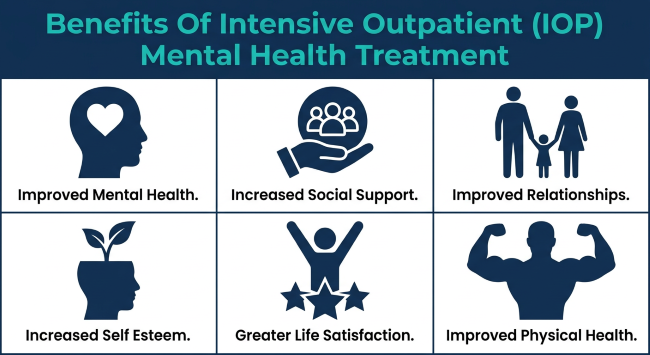
IOPs offer a number of hours of treatment a few days per week. Most or all of these programs are perfect for individuals requiring greater structured assistance but not enough to be hospitalized.
Partial Hospitalization Programs (PHP)
The most important aspect of PHPs is that organized care for the person is provided on an around-the-clock basis, and the person continues to live in his or her own home.
Depending on the severity of the symptoms, concerns, day-to-day functioning and desired treatment outcomes, the type of care that is right for you will differ.
Red flag signs may suggest that someone may need outpatient Mental Health Services.
Signs Someone May Need Outpatient Mental Health Services
If there is a need to rely on professionals, then they will often delay obtaining care because of their lack of understanding. Some of the common symptoms are the following:
- A constant sense of sadness or worry.
- Difficulty concentrating
- Avoidance of family/friend absence
- Emotional overwhelm
- Sleep problems
- Mood swings
- Increased stress
- Substance misuse
- Difficulty working at school/work
Tackling psychological ill health before the symptoms have become severe will support you greatly both in the healing of the symptoms and in attaining a healthy state of mind.
Compassionate Care Can Change Lives
When dealing with a mental health issue, everything else but feeling lonely is possible! Our experienced therapists and support staff at WellMind Therapy Center are dedicated to developing individual treatment programs that focus on treating each person as the patient and putting them on a path to healing, growth and long-lasting wellness.
The first thing that needs to happen for one of these people (or if the person has a family member or loved one who has emotional problems) is for them to request help. Contact WellMind Therapy Center today to find out how outpatient treatment options are available, how to help treat an addiction, and how to help build a healthier future.
Outpatient Care and Long-Term Recovery
Occasionally, it takes a “eureka moment” to make mental health better. Consistency, supportive coping and support may be required for the healing process. Outpatient treatment in particular provides long-term development and healing while helping individuals understand more about their emotions, why they occur, how they communicate and their own behavioral habits.
Hands-on tasks tend to be a focus of the therapists and involve the patients educating themselves, including:
- Emotional regulation
- Stress management
- Healthy communication
- Conflict resolution
- Mindfulness techniques
- Relapse prevention strategies
Together with time, these can help increase emotional strength and quality of life.
The importance of personalised treatments
Why Personalized Treatment Matters
Mental health issues are different for each person. Be aware that what may work for one may not work for another. Individual outpatient therapy makes certain that therapy is in keeping with each individual client’s emotional needs, lifestyle and private goals.
WellMind Therapy Center Treatment Plans are created collaboratively and the client is an integral part of their treatment process. It is personalised and can involve more people and achieve better, longer-term impacts.

Start Your Mental Wellness Journey Today
It can be exhausting to live in anxiety, depression, trauma, or emotional stress, but why do you have to do it alone? You will have tools and skills in your repertoire that will help you add stability and confidence to your life and with outpatient treatment, you will have help you can rely on to get there.
Whether you’re interested in a weekly discussion with a therapist or extensive therapy, or healthy, emotional support, WellMind Therapy Center is available to help you and your family find a healthier, more balanced balance. Call our staff today to discuss your case and to receive a consultation from us about what you can do to get on the road towards healing.
Disclaimer
This blog is for informational and educational purposes only and should not be considered medical advice, diagnosis, or treatment. Always seek guidance from a qualified mental health professional regarding personal mental health concerns or treatment decisions.
Frequently Asked Questions
What is outpatient mental health care?
Outpatient mental health care involves therapy, counseling, psychiatric treatment, and emotional support provided without overnight hospitalization. Individuals attend scheduled appointments and return home afterward while continuing work, school, or daily responsibilities.
What is an example of an outpatient service?
Examples include individual counseling, group therapy, medication management, intensive outpatient programs, and family therapy sessions. These services help individuals manage mental health conditions while maintaining their normal routines.
What is the most effective mental health treatment?
The most effective treatment depends on the individual and condition being treated. Many people benefit from a combination of therapy, medication management, healthy lifestyle changes, and consistent emotional support tailored to their needs.
What are three types of outpatient care?
Three common types include standard outpatient therapy, intensive outpatient programs (IOP), and partial hospitalization programs (PHP). Each offers different levels of support depending on symptom severity and treatment requirements.
What is the #1 most diagnosed mental disorder?
Anxiety disorders are among the most commonly diagnosed mental health conditions worldwide. They can include generalized anxiety disorder, panic disorder, social anxiety, and phobias that affect daily functioning and emotional well-being.