How To Heal From Trauma: A Practical, Compassionate Guide
Key Takeaways
- There should be emotional and physical consciousness when it comes to healing trauma.
- No time clock, development is individual.
- Outcomes are greatly enhanced with the help of support systems and therapy.
- Physical methods are likewise significant as mental interventions.
- It is essential to be consistent, as opposed to perfect.
The process of healing when it comes to a painful experience is not a linear process and not much easy. When you were wondering how to get better after trauma, you were already doing the right first step of recognizing that something requires care, attention, and time. Trauma may also have a range of impacts on the way you think, feel, and also in the way you relate with others but it is most definitely recoverable, provided there is a proper approach and support.
At WellMind Therapy Center, we think that there should be empowerment in the process of healing rather than fear. This manual will take you through the actual trauma healing process based on clinical knowledge and actual strategies you have to begin to apply today.
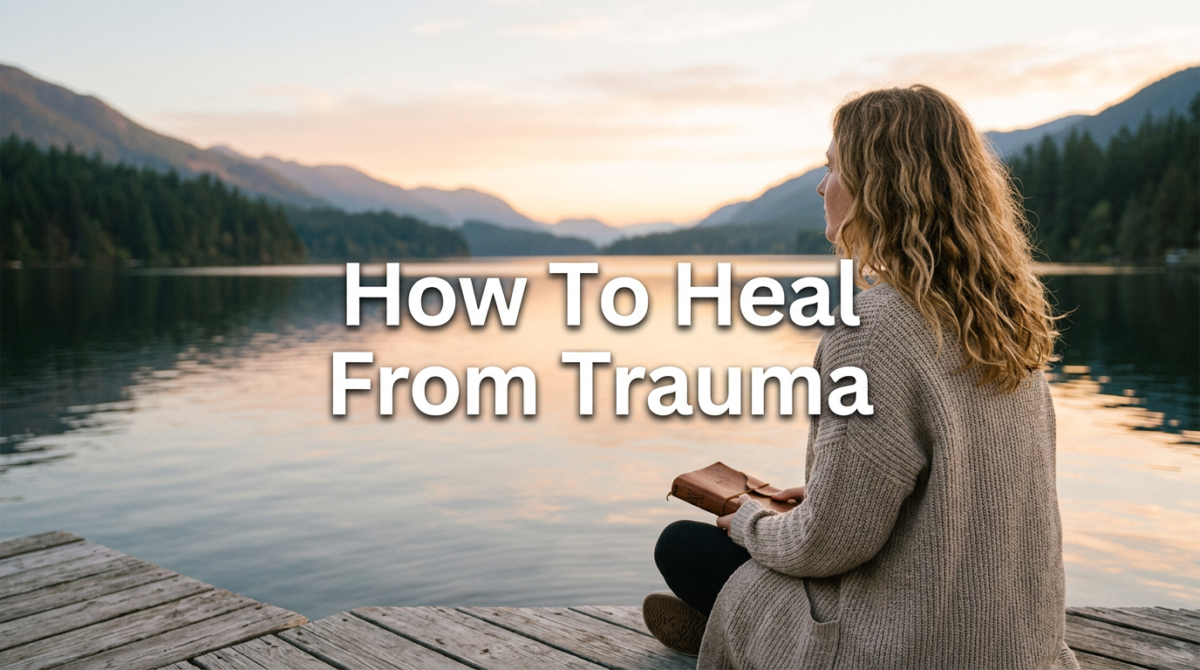
How To Heal From Trauma
Trauma healing requires being aware of how you feel, managing your nervous system and progressively restoring a feeling of safety. Therapy, mindfulness, and body-based methods are evidence-based methods aiding in the processing of traumatic memories. The essentials of long-term recovery are support, consistency and self-compassion.
Understanding Trauma and Its Effects
It can be beneficial to first learn what trauma means before going further to the ways one ought to repair. Trauma isn’t about what occurred but about the way you reacted to it both physically and mentally.
Essentially, as per what sources such as the WellMind Therapy Center have to say, the understanding of how trauma can cause havoc on your nervous system makes you feel always alert or emotionally numb.
This is why it is more than merely thinking differently; it is your body, feelings and behaviors.
The typical symptoms of trauma are:
- Flashbacks or intrusive memories.
- Anxiety or hypervigilance
- Difficulty trusting others
- Shallowness in emotions or depersonalization.
An appreciation of these responses as normalcy but not weaknesses is a key element to learning on how to heal trauma.
Why Trauma Stays in the Body
The best things about finding a way to help heal the trauma after the trauma is that you know it is not only in your mind that you are carrying the trauma but also in your body.
In case of trauma, your nervous system may not be able to get out of survival mode. This can lead to:
- Muscle tension
- Sleep disturbances
- Digestive issues
- Chronic stress
And that is why the body is, in most instances, required to be in the state of relaxation before the mind can insert the experience in the digestion phase.
Practical Steps on How To Heal From Trauma
Build a Sense of Safety First
Your brain must be safe before projecting trauma. This involves the formation of a stable cycle, drawing lines, and being around positive individuals.
Consistency, not intensity, of learning is the starting point of recovery in order to heal trauma.
Work With a Professional
Examples of therapies such as cognitive behavioral therapy (CBT), EMDR, and somatic therapy are effective. The help of a professional therapist helps to work through troublesome moods without ruining health and spirit.
Within an environment that takes into consideration the needs of the traumatized, WellMind Therapy Center relaxes you, at your own pace, to build resilience.
Regulate Your Nervous System
- Basic exercises can relax you:
- Deep breathing exercises
- Grounding techniques
- Light exercise such as walking and yoga.
These are some of the tools that make up the process of healing the trauma, particularly when the feelings are overwhelming.
Process, Don’t Suppress
In the short run it may be easier to avoid painful memories, but processing them in bits would be part of the healing process.
This does not imply that you will live everything again simultaneously, but that you will take things in steps that are easy to handle.
Rebuild Trust and Connection
Trauma is often destructive to trust in others and in oneself. Returning to normal life via good relationships contributes significantly to recovery.
One of the ways of healing traumas is to learn to feel safe around other people.
The Role of Self-Compassion
How you speak to yourself is one of the most ignored aspects of the process of healing a trauma.
Instead of asking:
- Why am I thus like this?
- Try asking:
- What did it do to me and how am I going to sustain myself now?
- Self-compassion eliminates shame and forms a more healthful healing base.
When Healing Feels Slow
One can often get stuck or frustrated in the recovery process. The journey to healing the trauma cannot be a linear one, it is more of a wave.
You may feel:
- Progress one week
- Momentary misfortunes are the following.
Here, it does not imply that you are not trying. It is the way that your body and mind are working through.
This is important to understand so that one can learn how to recover from trauma without giving up.
Start Your Healing Journey Today
You might not even be required to undertake it solo as long as you are open to the next step of determining how to get better after the trauma.
Compassionate, specific trauma therapy designed at WellMind Therapy Center is created to ensure that you gain control, build confidence and find lasting peace.👉 Call now and get connected with a licensed professional and start your journey on the path to healing.
Daily Habits That Support Trauma Recovery
- Not-so-bad habits can be huge:
- Writing about your feelings and thoughts.
- Being mindful (5-10 minutes each day).
- Getting adequate sleep and nutrition
- Avoiding exposures to triggers whenever possible.
Such practices cement the entire content you are absorbing in understanding how to recover trauma and contribute to stability in the long term.
How Long Does It Take to Heal?
No general schedule. Others get better in months, while others get better in a few years and this is okay in both cases.
The most important thing is:
- Consistency
- Support
- Readiness to participate in the process.
- It does not need to be a haste to heal, but make progress.
One of the greatest things you can do to take care of your mental and emotional health is to learn how to heal trauma. It is not a question of forgetting the past it is a question of changing your relationship with the past.
Having the correct tools, being able to support and being patient enable one to not only heal but also to do so indefinitely.

Take the First Step Toward Healing
You need encouragement, sympathy and a way ahead.
Get in touch with WellMind Therapy Center now and find out how personalized therapy can help you really learn how to come out of trauma and live your life confidently.
Disclaimer
This content is for informational and educational purposes only and is not a substitute for professional medical or mental health advice, diagnosis, or treatment. Always seek guidance from a qualified healthcare provider or licensed mental health professional regarding your specific situation.
FAQs
What are the 5 stages of healing trauma?
The five stages often include awareness, acknowledgment, acceptance, processing, and integration. Each stage helps you understand your experiences and gradually rebuild emotional stability, though people may move through them at different paces.
What are the 7 stages of trauma?
The seven stages typically involve shock, denial, anger, bargaining, depression, testing, and acceptance. These stages reflect emotional responses and are not always linear, but they help explain how people process trauma over time.
How to get trauma out of the body?
Releasing trauma from the body involves movement, breathwork, and somatic therapies. Activities like yoga, grounding exercises, and mindful breathing help regulate the nervous system and reduce stored physical tension effectively.
How to stop thinking about a traumatic event?
Instead of forcing thoughts away, focus on redirecting attention through grounding techniques, therapy, and mindfulness. Processing the trauma gradually reduces intrusive thoughts more effectively than trying to suppress them completely.
What’s the hardest trauma to heal from?
Complex trauma, especially from repeated or long-term experiences like childhood abuse, is often the hardest to heal. It deeply affects identity, trust, and emotional regulation, requiring consistent support and specialized therapeutic approaches.
What are the 8 keys to trauma recovery?
The eight keys include safety, trust, support, emotional regulation, processing memories, self-compassion, rebuilding identity, and finding meaning. Together, they form a holistic approach to healing and long-term emotional resilience.
References
- Cleveland Clinic – Trauma and stress-related disorders overview
- American Psychological Association – Understanding trauma and recovery
- National Institute of Mental Health – PTSD and trauma-related conditions
- Substance Abuse and Mental Health Services Administration – Trauma-informed care guidelines