
What is Group Counseling? Benefits, Sessions, and What to Expect
Group counseling has been a mental health aid that you may have heard about before, but never really understood. It is mental health counselling that provides mental health support to multiple individuals together with a trained mental health professional, discuss shared concerns, and learn coping strategies, as well as work towards a personal objective. Group counselling is not simply talking with friends or relatives as there is a specific structure to it, there is an opportunity to obtain professional advice, and learn from others experiences as well.
Group counselling can be targeted on a particular problem, for instance, anxiety, depression, grief, stress, relationships, or social skills. Emotional wellness or personal growth are also the subject of some groups. Help from the right group will make you feel less alone, and provide you with some tools to deal with challenges.
Key Takeaways
- Group counseling is a group of people and a trained mental health care provider.
- Groups may be established because of concern, experience in life or personal objective.
- Sessions typically consist of discussion, reflection, learning, and coping strategies.
- Group counseling can be useful in decreasing feelings of isolation and offer alternative views.
- Don’t “talk a big talk. As you get more comfortable you can increase your participation.
- In some cases, a group and individual counseling can be provided to both.
- The perfect group is one that meets your requirements, comfort and targets.
What is Group Counseling?
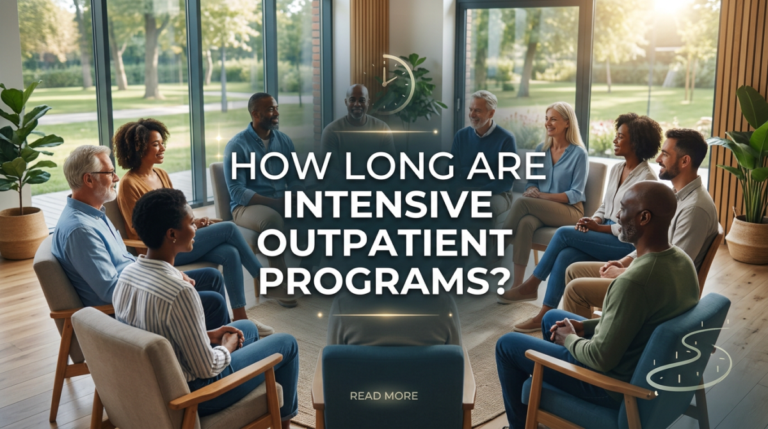
Well, what is group counselor? It is counselling which comes between other people who could be having similar problems. The conversation is facilitated by a counselor or other qualified mental health professional and the group is kept in a respectful and supportive environment.
Group sizes vary. Many groups have five to 15 members and typically meet one or two hours per week, according to the American Psychological Association.
There are multiple groups on a certain topic. A group can help someone who suffers from anxiety, depression, grief, anger, relationships, and/or social anxiety. Other groups may focus on skills for communication skills and/or confidence building, or on the development of more positive coping strategies.
It is important to note that group counseling is not simply a roomful of persons talking to themselves. A competent professional facilitates the group, engages in productive conversation and keeps the group on task.
Group therapy is a therapeutic method that provides structure and a feeling of support, input and learning from others, according to the American Psychological Association.
How Does Group Counseling Work?
To know what group counseling is, is to know how it works.
Some groups may have a preliminary meeting with a mental health worker prior to entering into the group. This can help you to determine if the group is a good fit for you and whether or not you would be able to fit into the group.
The group that you join typically has an agreed upon set of rules after they get started. These can entail treating others with respect, giving others the opportunity to speak, not interrupting others and respecting their privacy.
Members can:
- Discuss personal experiences
- Discuss present issues and problems
- Take others’ views
- Communicate or cope skills practice
- Set personal goals
- Consider ideas, feelings and actions
The counselor leads the group and is not the lecturer to the group. The purpose of this is to give members a venue for learning and for being heard.
Confidentiality is a key element of many groups. There are others in the group, however, which means that privacy cannot be ensured like it can in a 1-on-1 conversation. Here are some recommendations from APA: Communicate with the group about their expected privacy, then don’t share sensitive information.
What Happens During a Group Counseling Session?
When considering group counseling, if you feel you have no idea if you are starting group counseling, it can help alleviate the uncertainty of what to expect.
There can be a brief check-in during a typical session. Members may exchange feelings or discuss things since the last meeting.
The counselor can then pick up on an item or pose a question about a current concern and ask the members to discuss it. Based on a group’s goal, it can be a discussion that is led by the teacher, skill development, reflection or problem solving.
An anxiety group for example, might discuss the symptoms of anxiety and practice alternative responses. A grief group can give members a chance to discuss the loss and listen to others’ experiences of dealing with challenging emotions.
It’s not necessary to share your whole story the first day.
Normal ear hearing. As they learn to trust, they become comfortable to speak and to participate.
What Are the Benefits of Group Counseling?
One of the questions they ask is what is group counseling, and if group counseling is going to help.
One of the biggest benefits is that many can find out that they’re not by themselves. When someone else has experienced something similar, it can help alleviate feelings of isolation and help give a sense of connection.
There are also some potential benefits:
A Sense of Connection
Sometimes, people get away from others due to mental health issues. A structured social interaction can be provided by a supportive group.
Different Perspectives
Ideas and thoughts in your mind may be suggested to you that you have never thought of. The other members can show alternative solutions to similar situations.
Improved Communication Skills
Group conversations can be used to practice listening, communicating about emotions, establishing boundaries and reacting to perspectives.
Greater Self-Awareness
When you listen to other people, you’ll be able to see some of the patterns in your thinking, emotions, and interactions with others.
Practical Coping Strategies
Stress, challenging emotion, communication and other issues management strategies can be included in groups.
Accountability and Encouragement
It can be helpful to have regular meetings to keep you motivated to pursue your own personal goals. Members can also wish each other, “Congratulations” on milestones and be available to help out other members when things get difficult.
The American Psychological Association states that group therapy may be useful in addressing a variety of problems including anxiety disorders, panic disorders, social anxiety, post-traumatic stress disorder (PTSD), drug and alcohol abuse disorders, depression and obsessive-compulsive disorder (OCD).
The National Institute of Mental Health also contains group sessions as one of the ways that psychotherapy can be delivered.
Who Can Benefit From Group Counseling?
If not a setting for people of different needs to learn together then what is group counselling? Group counseling is beneficial for adults, teens and others depending on the design and age requirements of the group.
May use the word “someone” followed by a description of:
- Isolation or disconnection (feelings)
- Stress and anxiety (persistent stress)
- Grief and Loss: coping with it
- Managing depression
- Having difficulty with relationships
- Working on communication skills
- Lacking in self-esteem
- Having a major life change
- Seeking others with similar experiences
Group counseling isn’t an appropriate option for all individuals. Some people may need more individual counselling, which may be more preferred. Groups or individuals can be a combination of any of the above.
A mental health professional can help you decide which format meets your needs and goals and what it is.
What Is the Role of a Group Counselor?
As a group counselor, it’s not simply about maintaining a conversation.
Counselor sets expectations, leads discussion, supports for respectful interaction, monitors group dynamics which may impact group.
They may also:
- Introduce useful topics
- Support members’ discussions about concerns.Help members talk about concerns.
- Encourage balanced participation
- Redirect unhelpful conversations
- Teach practical coping skills
- Support healthy communication
- Help the members of the support team to set realistic goals.
- Have appropriate professional boundaries
The good group counselor establishes a framework and provides the elements needed for members to have their own experiences. All members do not have to agree with the counselor. Rather, the objective is to communicate safely with others and to learn from each other.
How Is Group Counseling Different From Individual Counseling?
The only difference that can be really noted is the number of people that are involved in the process of group counseling versus individual counseling: group counseling will entail more than one person, and individual counseling will involve the mental health professional and one person.
More one on one with individual counseling. This is beneficial if you want to look at highly personal issues in private.
There is a difference with group counseling and that’s interaction with other people who may have similar experiences.
The other one is not necessarily “good” or “bad. The most suitable will be based on your needs, goals, comfort level and support you may need.
Sometimes people move from one to the other and dual participation has been observed. Some people may find a combination of group and individual psychotherapy to be helpful.
What Should You Expect From Your First Group Counseling Session?
Knowing what group counseling is first session could be easier to approach.
It can be stressful especially if you’ve never had to voice such concerns to others. This is a very natural response.
The first session might be dedicated to introductions, group expectations and confidentiality. Counselor can “talk” to people about why the group is formed, and ask people to share their words.
Don’t talk as much before learning more about the group and listening to them.
Before going to the facility, think about asking:
- How many people do you usually go on your get-together with?
- What is the length of each session?
- What are the themes and topics that the group talks about?
- What is the group’s expectation of privacy in this situation?
- Is participation required?
- What is the organization that this group must belong to?
- If I feel uncomfortable, what can I do?
When you know the answers you will have an advantage in answering the questions.

How to Find the Right Group Counseling Program
You have to know its benefit to locate the group.
Need some anxiety help? Need help dealing with grief? Looking to enhance communication or relationships? A group that fits your needs is more helpful than one that is available.
Know the things to consider in selecting a counselor, like his/her qualifications, his or her group focus, how it will be conducted, his or her group size, when the group meets, where the group meets, how much will cost, and how private it can be.
It also may be helpful to think about whether the group is focused on a particular issue or whether it is a more general group.
If you aren’t certain about what group counselling is, or if it is appropriate for you, you might want to seek advice from a mental health professional.
Looking for Support That Fits Your Needs?
There’s no need to get confused when deciding which type of counseling to choose. You can meet with WellMind Therapy Center’s mental health professional to talk about your concerns, goals, and preferences and see if group counseling or another type of counseling is a good option for you.
If you are looking to learn more about the counseling services offered at WellMind Therapy Center and would like to take the first step towards meaningful counseling, call today!
Group counseling is a suitable format to engage in connecting, learning and growing. Avoid attempting to accomplish it all by yourself.
Frequently Asked Questions
What is group counseling?
Group counseling is a structured form of mental health counseling where several people meet with a qualified professional. Members discuss shared concerns, learn coping skills, receive support, and gain perspective through guided group interaction.
How does group counseling work?
Group counseling brings people with similar concerns or goals together under professional guidance. Sessions may include check-ins, discussions, exercises, education, and supportive feedback while following agreed-upon expectations for respectful communication and privacy.
What happens during a group counseling session?
A group counseling session may begin with a check-in, followed by guided discussion or activities related to the group’s purpose. Members can share experiences, listen to others, practice skills, and reflect on personal goals.
What are the benefits of group counseling?
Group counseling may reduce feelings of isolation, provide emotional support, introduce different perspectives, and help people practice communication and coping skills. It can also create opportunities to learn from others facing similar challenges.
Who can benefit from group counseling?
People experiencing concerns such as anxiety, depression, grief, stress, relationship difficulties, loneliness, or communication challenges may benefit. Group counseling can also support personal growth when the group matches the person’s needs and goals.
What issues can group counseling help with?
Group counseling may address anxiety, depression, grief, stress, social anxiety, relationship concerns, anger, loneliness, substance use concerns, and other challenges. The appropriate group depends on the person’s needs and the group’s specific focus.
Disclaimer
This article is intended for general educational and informational purposes only. It does not provide medical, psychological, or mental health advice and should not replace an evaluation or guidance from a qualified mental health professional. Group counseling may not be appropriate for everyone. If you are experiencing a mental health emergency or immediate danger, seek emergency assistance in your area.
References
- American Psychological Association (APA): Information on group therapy, group size, session structure, benefits, confidentiality, and considerations when choosing group therapy.
American Psychological Association: Understanding Group Therapy - American Psychological Association (APA): Research overview discussing the effectiveness of group therapy across a range of mental health concerns.
American Psychological Association: Group Therapy Effectiveness - National Institute of Mental Health (NIMH): General information about psychotherapy and group-based psychotherapy.
National Institute of Mental Health: Psychotherapies