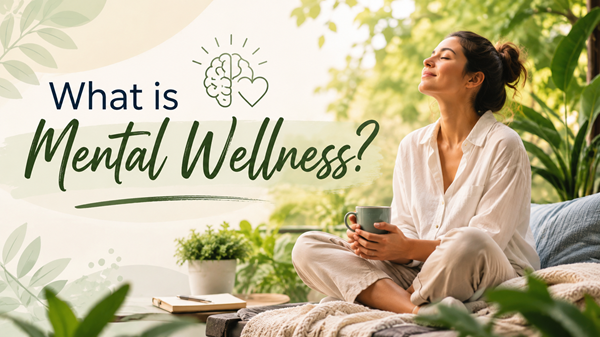
What is Mental Wellness?
Ever ask yourself, What is Mental Wellness and why is it so frequently discussed? Mental Wellness is not just about not experiencing stress or mental illness. It’s all about balance, thinking, controlling feelings, positive relationships and enjoying life. Good Mental Wellness helps you deal with problems, overcome failures and make decisions with assurance.
At WellMind Therapy Center, we believe that all people need to be offered the resources and guidance to strengthen their emotional resilience. From managing stress to enhancing relationships, to feeling better about yourself, knowing what Mental Wellness is the first step towards achieving emotional wellness.
Key Takeaways
- Mental Wellness is the ability to regulate emotions, manage stress and lead a healthy life.
- Wellness is to be physically healthy, to have healthy relationships and be productive.
- Emotional health is nurtured by good things, including sleep, exercise and social interaction.
- Mental wellbeing can change and is a process. When emotional difficulties become hard to handle professional help is available.
What Does Mental Wellness Mean?
Mental Wellness is your emotional, psychological and social wellness. It impacts on your thinking, feeling, behaviour and reactions to life’s issues.
People often consider Mental Wellness to mean that they are happy every day. The reality is, we all experience stressful, sad, frustrated and disappointed times. The distinction is, when an individual is in a state of great Mental Wellness, they are able to recognize these feelings, respond to them in a healthy way and then work through them over time.
Mental wellness includes:
- Emotional awareness
- Healthy coping skills
- Positive relationships
- Self-confidence
- Clear thinking
- Healthy boundaries
- Purpose and meaning
- The ability to recover from misfortune.
Remember, Mental Wellness is a continuum at all times. There are some days that are better than others, and that’s okay.
Why is Mental Wellness Important?
Good Mental Wellness impacts a lot of aspects of your life. With a healthy mind, you will be able to make decisions with greater ease, build relationships, stay productive and enjoy your daily routine.
Having good Mental Wellness means that you can:
Better Physical Health
The body is impacted by stress. A good mental health may lead to better sleep, reduced stress hormones, better heart health and a better immune system.
Stronger Relationships
Individuals who have healthy emotional habits will communicate more effectively, deal with conflicts with respect, and enjoy supportive friendships.
Greater Productivity
A well-balanced mind is conducive to concentration, to learning and to problem-solving.
Better Stress Management
There are lots of unexpected challenges in life. Good Mental Wellness helps you deal with things without becoming upset and acting impulsively.
Higher Quality of Life
Mental Wellness people often feel a greater sense of life satisfaction, confidence and happiness.
Signs of Good Mental Wellness
While mental wellness is unique to each individual, there are some broad indications of healthy emotional wellness.
These include:
- Unfortunately, this is where I am today, hopeful most days.
- Managing stress effectively
- Sleeping well
- Maintaining healthy relationships
- Having a sense of self-efficacy in skills
- Emotion regulation – being able to express emotions in an appropriate manner.
- Recovering after setbacks
- Trying to make use of hobbies and pursuits
- Having realistic goals
- Having a sense of belonging.
Good Mental Wellness isn’t a life free of trouble. Knowing how to handle life’s ups/downs.
Common Factors That Affect Mental Wellness
A range of influences on Mental Wellness across the life course.
Physical Health
Not getting a good night’s sleep, a chronic illness, poor nutrition and lack of physical activity may affect emotional wellness.
Relationships
A supportive family environment and relationship with friends can enhance resilience, and adverse relationships can contribute to stress and anxiety.
Work and School
Each day you may be feeling unbalanced, perhaps due to being overworked, worried about money, stressed at work, overwhelmed by schoolwork or any of these factors.
Major Life Changes
Change or transition (e.g. moving, marriage, divorce, parenthood, retirement, loss of a loved one) may affect Mental Wellness.
Trauma
Previous experiences, abuse, accidents or traumatic events could have long-term emotional impacts.
Genetics
Some mental health problems may run in the family, making it more likely for some people to develop the condition.
Social Media and Technology
Technology brings people together, but too much screen time and negative comparisons can have a negative impact on self-esteem and emotional health.
Mental Wellness vs. Mental Health: What’s the Difference?
Although people often use these terms interchangeably, they are not exactly the same.
| Mental Wellness | Mental Health |
| Focuses on overall well-being | Refers to emotional and psychological health |
| Includes healthy daily habits | Includes diagnosable mental health conditions |
| Can be strengthened through lifestyle choices | May require therapy, medication, or other treatment |
| Encourages growth and resilience | Addresses both wellness and illness |
Consider Mental Wellness as engaging in healthy practices daily, and mental health as the condition of your psyche.
Someone with anxiety or depression can improve their Mental Wellness with therapy, healthy habits/schedules and support.
How to Improve Your Mental Wellness
There is no need to make major shifts in your life in order to achieve Mental Wellness and to sustain it. The little things that you do on a regular basis make the most difference long term.
Practice Self-Care
Make time to refresh yourself with reading, walks outside, listening to music or relaxing.
Stay Physically Active
These chemicals are released during exercise, which naturally help improve a person’s mood and alleviate stress.
Eat Balanced Meals
Good nutrition is important to the brain and emotional health.
Build Healthy Relationships
Take time to hang out with people who are encouraging, supportive and respectful to you.
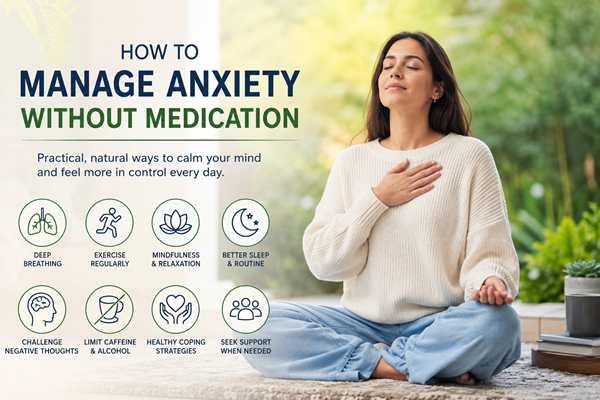
Learn Healthy Coping Skills
Don’t wait until you have a problem: practice:
- Deep breathing
- Journaling
- Meditation
- Mindfulness
- Positive self-talk
Set Realistic Goals
Big goals can be accomplished in small steps!
Limit Stress
Learning healthy stress management skills is important because it will help you deal with stress if it needs to happen, and if it doesn’t happen, you can better handle when it does.
Take the First Step Toward Better Mental Wellness
You don’t have to deal with emotional issues without support.
If you are in distress, experiencing chronic stress or just seeking an emotional health jump-start, the caring staff at WellMind Therapy Center can assist you. Our highly trained therapists provide personalized, specialized therapy to help people build resilience, improve relationships and create a plan for a lifetime of wellness.
Call WellMind Therapy Center now and take your first step towards Mental Wellness.
When to Seek Professional Mental Health Support
Emotional issues are a part of everyone’s life. If symptoms start interfering with the functioning of everyday life, however, it is time to seek a professional’s help.
If you need to contact the Office, please attempt to do so if you have any of the following:
- A sad mood that lasts for more than 2 weeks.
- Overthinking or over worrying
- Panic attacks
- Difficulty sleeping
- Decrease in interest in activities
- Overwhelmed nearly daily
- Trouble concentrating
- Increased irritability
- A very high or very low desire for food.
- Difficulty maintaining relationships
- The desire to hurt oneself, or to have no hope
Supporting early on can impact on long-term outcomes.
At WellMind Therapy Center, we provide you with evidence-based and caring therapy that is truly tailored to your needs. Don’t be afraid to ask for help.

Your Mental Wellness Matters
Everyone should have emotional wellness, supports and life management skills. The journey to improve Mental Wellness is a process and not a journey to the end. Sometimes the little things that you do throughout the day can make a big difference, such as getting rest, regular exercise, healthy relationships, and assistance when needed.
If you’ve been asking yourself, What is Mental Wellness, then, you’d know that you need to take care of your emotional health every day of your life. What you eat right now can save you from being in a worse relationship, having health issues, not feeling confident about yourself, or having a poor quality of life in the years to come.
Looking to focus on your Mental Wellness? Call WellMind Therapy Center today and experience our caring staff help you develop a more balanced life, a greater sense of resilience and healthy habits.
Frequently Asked Questions
What is mental wellness?
Mental wellness is your ability to regulate your emotions, handle stress, create healthy relationships and operate in daily life. It encompasses emotional, psychological, and social health and wellbeing, fostering resilience, confidence, and wellbeing in general.
Why is mental wellness important?
Mental wellness will enable you to think clearly, manage stress, sustain healthy relationships and make good choices. It also contributes to improved physical wellbeing, greater productivity and to a faster recovery from life’s stressors.
What are the signs of good mental wellness?
Signs include emotional balance, healthy relationships, good sleep, positive self-esteem, good coping strategies to stress, being resilient in the face of setbacks, thinking clearly and enjoying life how it is now while adapting to life changes.
How is mental wellness different from mental health?
Mental health is a person’s psychological state and the presence of a mental health disorder. Mental wellness is about practices, resilience, emotional regulation and personal development that support good mental health on a day to day basis.
What factors affect mental wellness?
Factors that affect mental wellness include physical health, sleep, nutrition, exercise, relationships, stress at work, finances, significant life changes, trauma, genetics, and social connections. Adopting healthy lifestyle can positively contribute to emotional well-being.
How can I improve my mental wellness?
Some of the strategies that can help promote mental wellness include prioritizing sleep, regular physical activity, healthy eating, mindfulness practices, stress management, building and sustaining healthy connections, setting achievable goals, and professional support if necessary.
Can exercise improve mental wellness?
Yes. Exercise regularly can alleviate stress, improve emotional status and mood, increase confidence, help cope with stress-related sleep disturbances and help release endorphins which contribute to emotional well-being. Any exercise, even light daily activity, can help to improve mental well-being over time.
Disclaimer
This article is for informational and educational purposes only and is not meant to provide medical or psychiatric diagnosis, treatment, or advice. If you continue to feel emotionally distressed or if the feelings are interfering with your life, please speak to your licensed mental health professional or qualified health care provider. If there is an emergency you should immediately call emergency services or local mental health services if you are experiencing a mental health emergency or in immediate danger.
References
- World Health Organization (WHO). Mental Health – https://www.who.int/health-topics/mental-health
- Centers for Disease Control and Prevention (CDC). About Mental Health – https://www.cdc.gov/mentalhealth/
- National Institute of Mental Health (NIMH). Caring for Your Mental Health – https://www.nimh.nih.gov/health/topics/caring-for-your-mental-health
- American Psychological Association (APA). Stress and Mental Health Resources – https://www.apa.org/topics/stress