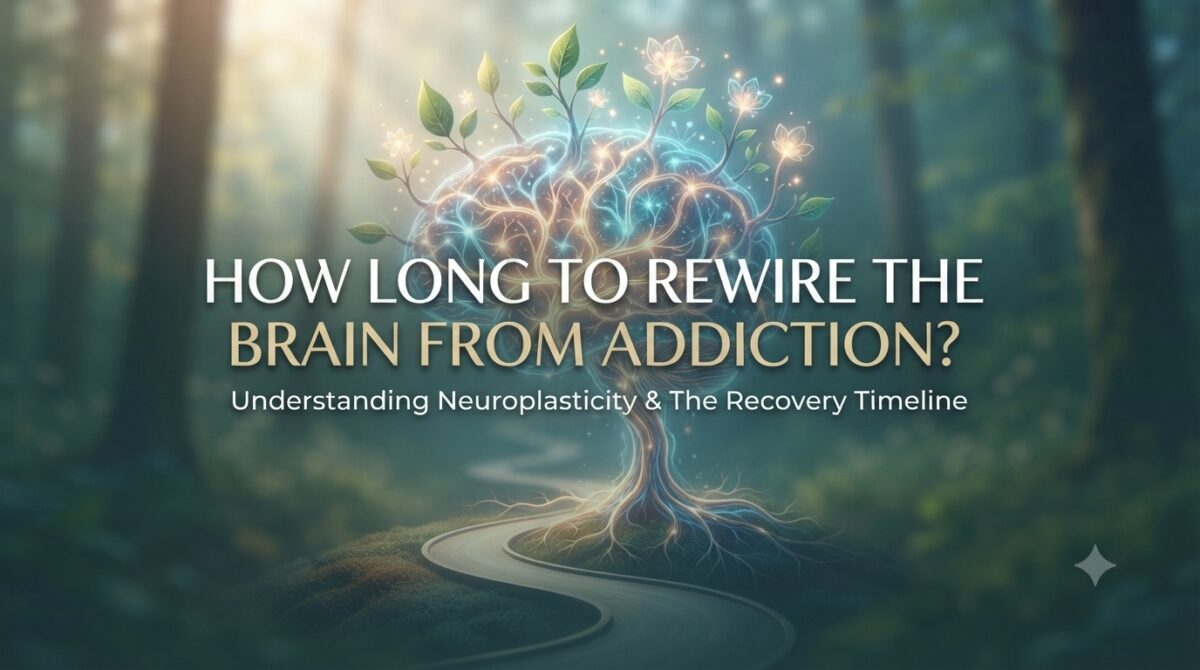
How Long to Rewire the Brain From Addiction? Understanding the Recovery Timeline
Quick Answer: There’s no magic number for the length of time it takes to rewire the mind from addiction. There are significant brain alterations that may occur within weeks of drug or alcohol abstinence, and it may take months or even years to heal. Having healthier pathways can be supported through treatment, sleep, healthy routines, therapy, and ongoing support.
How Long to Rewire the Brain From Addiction?
If you’ve been wondering, “How long does it take to rewire the brain from addiction? This may vary from person to person. When we stop using drugs and/or alcohol, the brain begins to adjust, and the adjustment to becoming sober is slow. Various enhancements can come within weeks, and changes with regard to cravings, emotional control, decision-making, and responses to rewards can persist for months or years. The length of time involved and the frequency of consumption, along with the type of substance, physical condition, mental condition, environment, and treatment options, can influence the amount of time it takes.
When someone is addicted, their brain may be different in the areas of pleasure and stress, cravings, and thinking. What is good is that the brain is still malleable. Neuroplasticity is the capacity of the brain to reinforce healthy patterns with repetition, healthy relationships, therapy, and recovery.
Key Takeaways
- While the recovery of the brain after addiction starts to happen as soon as drug use ceases, there is no specific time limit.
- There can be substantial recovery in the first weeks and months of rehab.
- But cravings, manifestations, and feelings can remain even after the physical withdrawal process is completed.
- Healthy habits can help the brain to lay down new habits.
- Talk therapy may aid the person in identifying triggers, shifting negative thinking styles, and training healthier reactions.
- The addiction process can take years, and that’s taking the long-term recovery into perspective.
- With professional assistance, the recovery process can come with less difficulty and more safety.
Understanding How Addiction Changes Your Brain
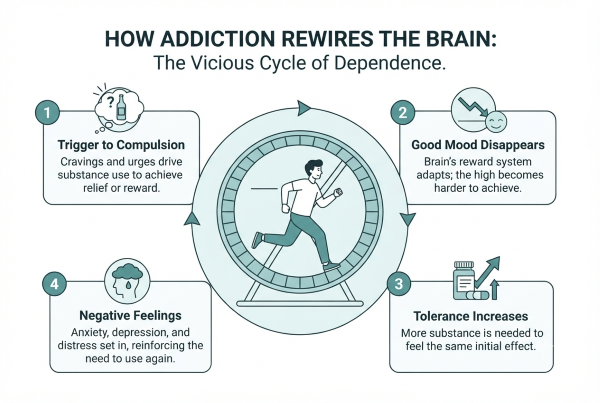
Brain systems involved in addiction are decision-making, impulse control, learning and memory, stress, reward, and motivation. With regular use of the drug, the brain can start to associate these people, places, feelings, experiences, or triggers with the drug. These connections/associations may become more vivid, and when someone is once more exposed to the familiar trigger, cravings may resurface on their own.
That doesn’t mean that the brain is ‘broken’ for life. However, the brain may start to associate using a drug or alcohol over and over, and decrease the response to normal rewards. Recovery is repetition—restoration of brain opportunity to practice responding in healthier ways. With time, these new experiences can get more familiar and easier. In one sense, consistency is an essential component of alcohol or drug addiction recovery.
The Timeline of Brain Recovery
Thus, how long does it take to rewire the brain from addiction? There is no set number of days or months that will suit all people! Some people see the changes in the first few weeks and include a sharper focus, restful sleep, much more energy, and/or different cravings. During the following months, the brain can continue to adjust and start to engage in more positive habits instead of drug- and alcohol utilizing habits.
Brain rewiring, as explained on Recovery.com, “…can be a process that can take weeks to years of change and may show meaningful changes during those weeks.”
The time frame can be adjusted for each different substance, for the number of years taking the substance, for the severity of SUD, for health, stress, sleep, food, for mental health and treatment. Brain abnormality, for example in alcoholics, has been documented to improve or even return to normal after a time of sobriety; there are variations in the extent of the improvement.
A general recovery picture
- The first few days to weeks of withdrawal/adjustment may be quite prominent.
- First month: Sleep, mood, and appetite can be disturbed; energy and concentration may be affected.
- 2-12 months: Healthy behaviors and coping mechanisms may be more likely to be in place.
- Symptoms may last up to a year and beyond, and there may be a decrease in the craving for many.
Stages of Brain Rewiring
The initial phase is the withdrawal phase and the early period of being free of the substance. Withdrawal can be uncomfortable or even medically harmful, depending on a person’s substance of choice. A few medications and drugs will need medical supervision for termination of use, such as alcohol.
After the acute withdrawal period, an emphasis can now be placed on reestablishing a daily schedule, coping with cravings, and finding ways to manage stress with a healthier response.
Its second step consists of a number of repetitions. Someone can learn to identify a trigger but, without acting on it, tolerate an uncomfortable emotion without using it or opt for a healthy activity rather than develop a familiar old one. Every repetition provides your ‘brain’ with another chance at making a different ‘response.
Continuing the practice is the key to long term recovery and not waiting for that one moment when the brain is “rewired.”
Supporting Your Brain’s Recovery
Brain recovery takes place on its own timeline, but there are things you can do to create conditions that enable the brain to recover. Stable treatment can help you establish a routine for recovery and maintain a regular sleep schedule, balanced nutrition, exercise, managing stress, building meaningful connections with friends and family, and so on. The site, Recovery.com, also states that “exercising, sleeping, eating, managing stress and following a healthy routine” are all ways people can help with recovery.
When you think about recovery, picture creating a brand new road, not eradicating the old one. As long as one performs healthy behaviors regularly, the more one can feel comfortable with them. Small actions count. While it may sound simple, walking, the ability to attend therapy, keeping in touch with someone supportive, eating on a regular basis, and going to bed at night can all help provide structure at a time when life may be out of control.
Treatment Options That Help Rewire the Brain
Therapy can be a crucial part of the educational process on how to rewire the brain from addiction. Through cognitive behavioral therapy, individuals, for instance, can learn to recognize thoughts, circumstances, and behaviors related to drug or alcohol use and engage in more positive and healthy alternatives. Other interventions might focus on trauma, emotional self-regulation, relationships, stress, or other co-occurring mental health issues.
When clinically appropriate, treatment can also involve the use of medication, medical care, recovery support, group therapy, family involvement, or a variety of different levels of addiction treatments. SAMHSA makes information available on evidence-based substance use disorder treatment and on options for finding treatment.
Ready to take the next step?
You don’t have to do this by yourself when addiction impacts your thoughts, your relationships, your work, or your life! WellMind Therapy Center can assist you with your exploration into the use of professional supports and aid you in creating real-world strategies for cravings, triggers, and emotions, and managing the challenges of recovery. Inquire about the sort of assistance that might suit you.
The Science of Hope and Healing
It’s no coincidence that brain plasticity is one of the key factors why there’s hope for recovery. The brain is malleable and grows through experience, which can lead to the development of addiction (and recovery as well). NIAAA’s research summary suggests that at least some brain changes as a result of alcohol use can be improved with ongoing abstinence.
This also accounts for the potential for an inconsistent recovery. Someone can have 1 or more good weeks and then suddenly have a big urge. But this doesn’t always signal a loss of recovery. Learned associations can be reactivated by stress, reminders, emotions, and reminders of familiar environments. It is not the intention to have no days that are hard. To cultivate sufficient skills and support to react differently when tough days happen.
Getting Help and Support
If you are looking for information about how long it takes to rewire the brain from addiction, then you are probably already considering changing your lifestyle. Don’t wait until you’re fully ready! A therapist or addiction expert can help you understand your patterns, your triggers, how to address underlying issues, and set realistic recovery goals.
Especially when withdrawal could be medically dangerous, professional help can be really crucial. SAMHSA provides information about treatment and a national treatment location resource for individuals looking for substance use and mental health treatment.
Start Your Recovery With WellMind Therapy Center
Recovery is not an instant change over to become a different person. It’s providing your brain and your life with multiple chances to shift in a healthier direction. If you have an issue with alcohol, drugs, cannabis, or other substances, support can help to make it easier to understand and to control.
When you’re prepared to explore your choices, you can speak with WellMind Therapy Center about professional mental health and recovery assistance. The power to start creating healthier habits today can be as simple as taking one step.
Disclaimer
This blog is intended for general educational purposes and should not replace individualized medical, psychological, or addiction treatment advice. Addiction and withdrawal can affect people differently. If you or someone you know may be experiencing dangerous withdrawal symptoms, overdose, or another medical emergency, seek immediate medical attention. A qualified healthcare professional can help determine the safest treatment approach.
Frequently Asked Questions
Does the brain ever fully recover from addiction?
The brain can recover substantially, but the extent and timeline vary. Some changes associated with addiction may improve or reverse with sustained recovery, while certain effects can persist. Ongoing treatment and healthy habits can support continued improvement.
What are the 5 stages of addiction recovery?
Recovery is not universally divided into five fixed stages. A useful framework includes recognizing the problem, considering change, beginning recovery, maintaining new behaviors, and managing long-term recovery. Individual experiences can differ considerably, and relapse does not erase progress.
What is the hardest addiction to get over?
There is no single addiction that is objectively hardest for everyone. Difficulty depends on the substance, severity, duration of use, withdrawal risk, mental health, environment, and support system. Some substances also require medically supervised withdrawal because stopping suddenly can be dangerous.
How long does it typically take to recover from addiction?
Recovery can begin immediately after stopping substance use, but it usually continues over months and potentially years. Withdrawal may last days or weeks, while changes in cravings, mood, thinking, and behavior can continue developing over a much longer period.
What are the top 3 worst addictions?
There is no scientifically established list of the three “worst” addictions. Different substances create different risks, including overdose, withdrawal complications, organ damage, and effects on mental health. Severity also depends on the person’s pattern of use and individual circumstances.
How to get dopamine back after addiction?
Rather than trying to artificially “boost” dopamine, focus on consistent healthy behaviors such as exercise, adequate sleep, nutritious meals, meaningful relationships, enjoyable activities, and treatment. These habits can help restore healthier reward patterns over time.
What addiction has the highest recovery rate?
There is no single reliable recovery-rate ranking across all addictions. Outcomes vary based on how recovery is defined, the population studied, treatment access, follow-up period, substance involved, and individual circumstances. Comparing addictions by one recovery percentage can therefore be misleading.
What’s the hardest period of sobriety?
For many people, early recovery can be particularly challenging because withdrawal, cravings, sleep disruption, emotional changes, and unfamiliar routines may occur together. However, difficult periods can also happen later when stress, triggers, or major life changes reactivate cravings.
How long does brain rewiring take?
Brain rewiring does not have one fixed endpoint. Meaningful changes can begin within weeks, while healthier patterns may continue developing for months or years. The pace depends on substance use history, health, treatment, stress, routines, and continued recovery support.
References and Authoritative Sources
- Recovery.com, “Rewiring Your Brain From Addiction: 7 Things You Need to Know”, updated July 30, 2025.
- National Institute on Alcohol Abuse and Alcoholism (NIAAA), “Neuroscience: The Brain in Addiction and Recovery.”
- National Institute on Drug Abuse (NIDA), “Drugs, Brains, and Behavior: The Science of Addiction.”
- Substance Abuse and Mental Health Services Administration (SAMHSA), Substance Use Disorder Treatment.
Trusted resources:
National Institute on Drug Abuse (NIDA) ·
National Institute on Alcohol Abuse and Alcoholism (NIAAA) ·