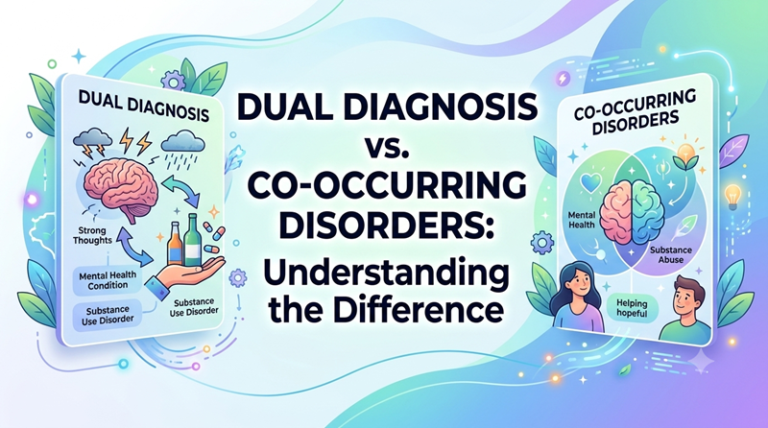
Dual Diagnosis vs. Co-Occurring Disorders

Dual Diagnosis vs. Co-Occurring Disorders: Understanding the Difference

It can be confusing to understand the difference between a dual diagnosis and co-occurring disorders as they are often used to refer to similar circumstances. They both describe someone who has more than one mental health and/or substance use disorder. The terms are similar, but the more prevalent term used in today’s world for the…

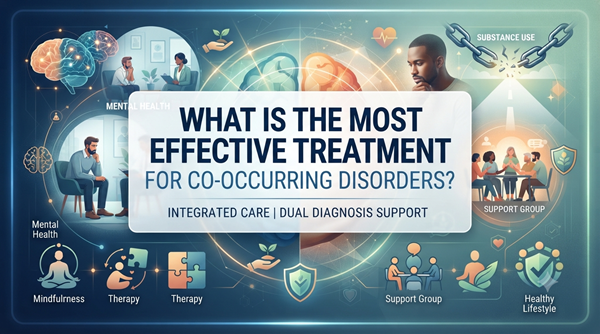
What is the Most Effective Treatment for Co-Occurring Disorders

What is the Most Effective Treatment for Co-Occurring Disorders?

If a person is suffering from mental health issues and substance abuse that can be answered with one word: Both!If the person has a mental health condition and a substance use disorder, then the question that is natural to ask is, “What is the most effective treatment for co-occurring disorders?” Treatment that is integrated (treatment…

What are Co-Occurring Disorders

What are Co-Occurring Disorders?

It is crucial to understand what co-occurring disorders are, in order to identify the link between mental health conditions and substance use. If a person suffers from both, he may require assistance with both. With proper mental health treatment, individuals can learn to control their symptoms, overcome substance abuse and strive to live healthy lives….

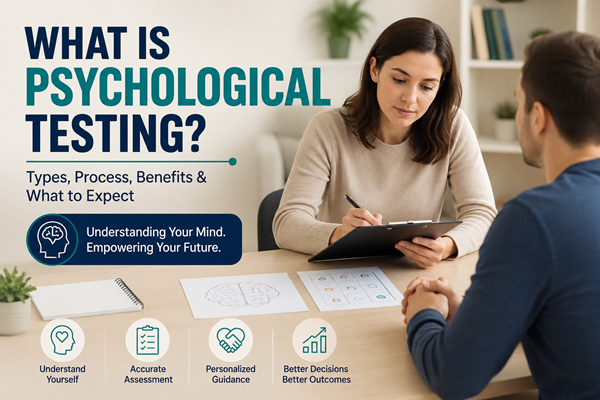
What is Psychological Testing? 

What is Psychological Testing? 

If you have ever asked yourself what is psychological testing, you’re definitely not the only one. Psychological testing is a systematic approach to understanding how an individual thinks, feels, acts, learns and reacts to various situations. There are different types of standardized tests, interviews, observations, questionnaires, and other information a psychologist can use to gain…

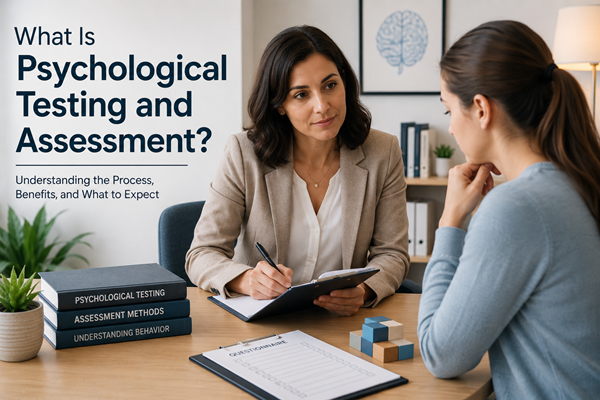
What is Psychological Testing and Assessment

What is Psychological Testing and Assessment? A Complete Guide

There have been many questions raised about What is Psychological Testing and Assessment? Psychological testing and assessment can be used by a qualified mental health professional to try to understand how a person thinks, feels, behaves and operates in his or her daily life. It can be helpful to know about the symptoms, be able…

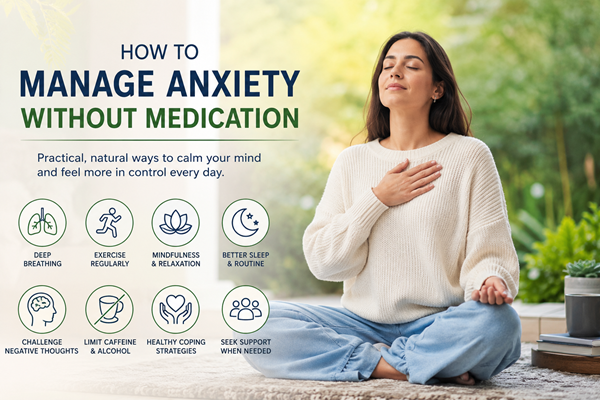
How to Manage Anxiety Without Medication

How to Manage Anxiety Without Medication

Anxiety can impact your thoughts, body, sleep, relationships and day-to-day life. There are steps you can take to manage anxiety without medications. There are several breathwork, exercise, sleep, mindfulness, healthy habit and support practices that can help to alleviate the impact of anxiety. For some individuals, it is sufficient to use these techniques to control…

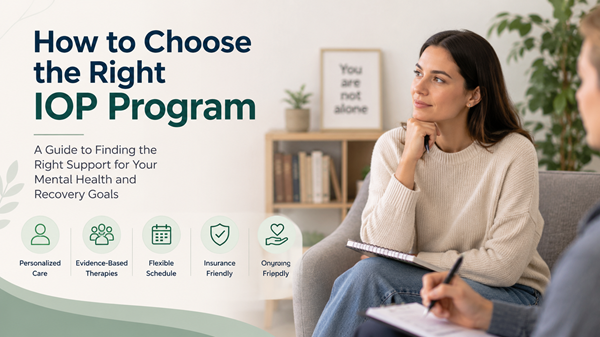
How to Choose the Right IOP Program

How to Choose the Right IOP Program: A Practical Guide

When it comes to battling depression, or anxiety, getting mental health care can be intimidating, especially when you need more care than you can receive in weekly therapy, not in the hospital. When deciding on how to choose the right intensive outpatient program, take into account the level of care offered, treatment method, treatment schedule,…

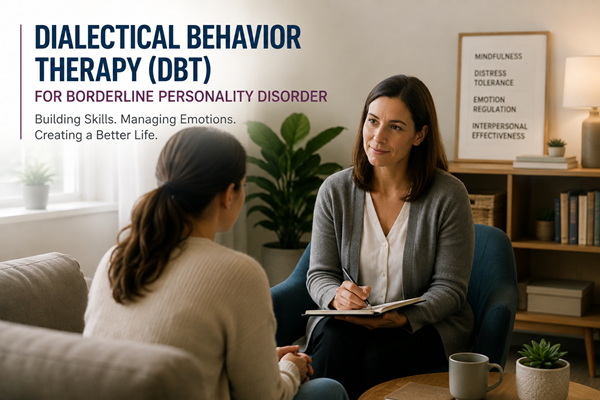
Dialectical Behavior Therapy for Borderline Personality Disorder

Dialectical Behavior Therapy for Borderline Personality Disorder: Skills, Benefits, and What to Expect

It can be challenging to live with borderline personality disorder (BPD). Strong emotions, fear of abandonment, impulsiveness, relationship issues and rapid mood swings can make life harder. Dialectical behavior therapy (DBT) is an effective form of psychotherapy that teaches patients to manage their emotions, work on their relationship skills, reduce destructive behaviors, and help them…

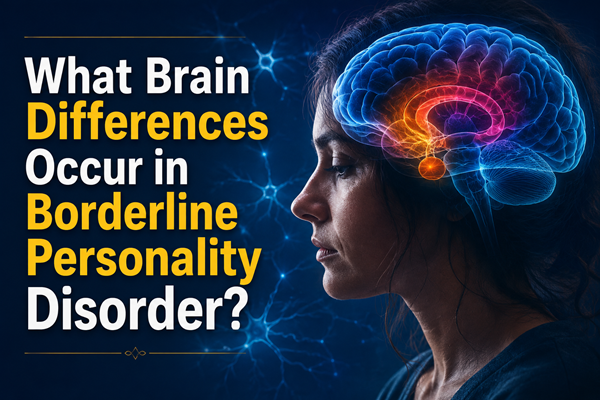
What Brain Differences Occur in Borderline Personality Disorder

What Brain Differences Occur in Borderline Personality Disorder?

If you have ever wondered what is different in the brain of someone with a Borderline Personality Disorder (BPD), then the short answer is that there are differences in some brain areas and networks that process emotion, regulate impulse, are associated with self-awareness, and react to stressful situations. The outcomes don’t necessarily imply permanent brain…