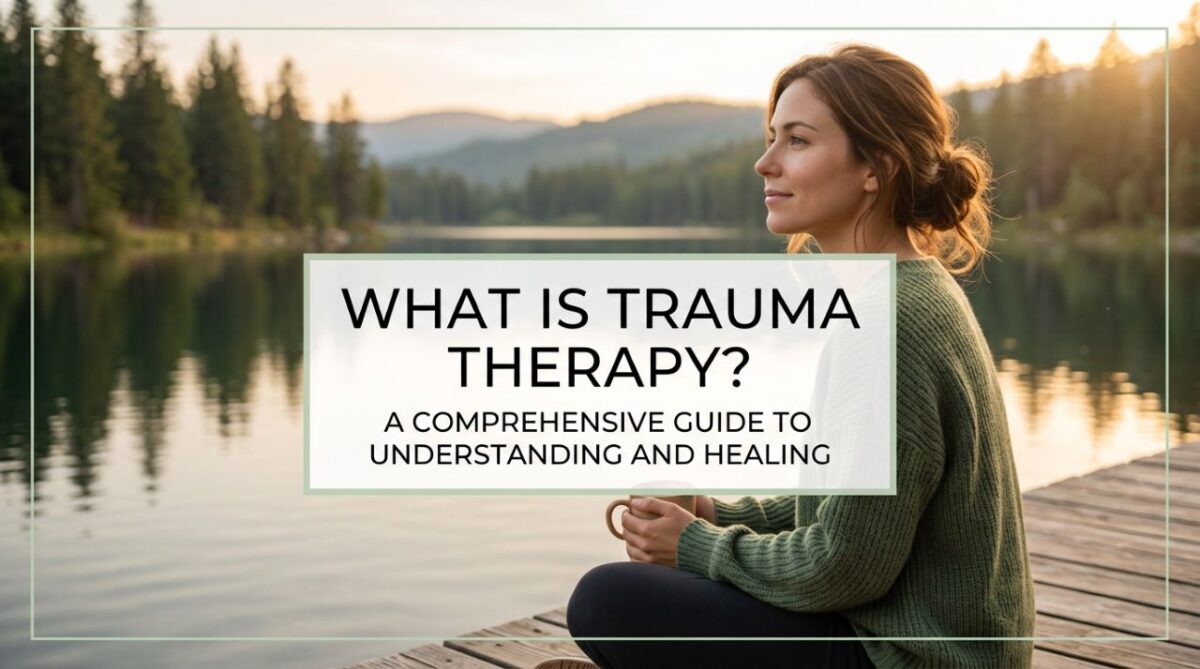
What is Trauma Therapy?
Trauma can impact thinking, feeling, getting along with others, and relationships. No one forgets the pain; it grows and festers. This is one area where the question, “What is Trauma Therapy?” is of help. Trauma therapy is a specific type of treatment for mental conditions, which involves working through difficult experiences and diminishing emotional distress and the feeling of being out of control.
At WellMind Therapy Center, trauma therapy is a very compassionate, very patient and evidence-based process. From childhood trauma to abuse, as well as grief, trauma due to PTSD, trauma resulting from an addiction, and emotional neglect, therapy offers assistance in healing while providing a safe, supportive environment.
Key Takeaways
- Trauma therapy is a healing therapy which helps heal traumas.
- It can help regulate moods and emotions, enhance relationships, help to sleep better and boost self-esteem.
- There are various methods of treating them according to their symptoms and requirements.
- The mind and body can be impacted by trauma.
- Early interventions can decrease long-term mental health problems.
- Trauma therapy is treatment for people with past trauma stress, addiction recovery, anxiety and depression who have experienced trauma.
- Though the healing process may take time, an individual can help the healing process by getting professional help.
Therapy around trauma is a psychological treatment that aids a person in coping with the trauma they actually experienced, with the emotional reaction to trauma and with boosting functioning.
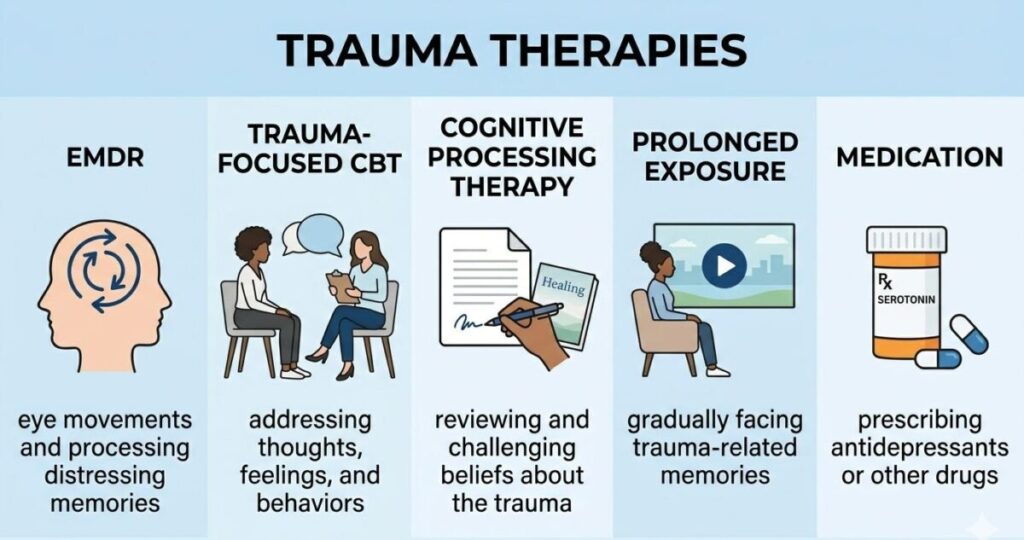
Responses to symptom reduction in instances of PTSD, anxiety or emotional distress frequently yield instances of such tools used for reduction and will mention utilizing evidence-based PTSD treatments, including Cognitive Behavioral Therapy (CBT), EMDR and somatic treatments.
Trauma Therapy
Trauma Therapy is one of the specific types of psychotherapy that alleviates the effects of an emotionally challenging or traumatic experience. These experiences could be in the form of abuse, violence, accidents, military combat, neglect, medical trauma, a sudden loss or other life-threatening events.
Rather than working with methods of emotion, coping skills and evidence-based therapy practices, Mental health services, such as WellMind Therapy Center, will normally be targeting these methods to heal the wounds in a safe and secure area. It is not about forgetting, but, lessening the associated emotional response.
People seeking Trauma Therapy can suffer from any of the following symptoms:
- Flashbacks or nightmares
- Anxiety and panic attacks might sound synonymous, but do they go hand-in-hand?
- Emotional numbness
- Irritability or anger
- Difficulty trusting others
- Trouble sleeping
- Substance use issues
- Shame and/or Transference or feelings of shame and guilt
The other brain trauma effect is a change in the response of the individual to stress. Often a person feels that he/she is on the alert and on guard all the time although there is no threat. Modification and reconditioning of these undesirable stress responses can be achieved through the process of treatment and alternate coping strategies can be provided.
Trauma Therapy Techniques
Depending on the symptoms, the number of therapies that might be used will be dependent but also based upon whether or not a person’s been sexually traumatized or not and their physical/mental comfort with the therapy. Some techniques that may help are body-based mindfulness or practice talks. This can be done verbally or through body/mindfulness.
Cognitive Behavioral Therapy (CBT)
CBT lets the individual become aware of the negative thought patterns that go along with trauma. While negative thinking and its negative self-talk may be damaging, a therapist can be equipped to help their client change the way they think and provide them with tools to have more positive thinking.
Eye Movement Desensitization and Reprocessing (EMDR)
EMDR is a psychological method with which PTSD (Post-traumatic Stress Disorder) can be treated.
There is one well-known method of treating trauma, called EMDR, that utilizes these eye movements and that talks about the traumatic event. Using EMDR, therapists recommend that one be able to benefit from the EMDR process because they can reduce the emotional distress that may be caused by the traumatic experience.
Somatic Therapy
Tension can be stored in the body as a result of trauma. Somatic techniques involve connecting with and releasing tension and stress in the body through the breath, now going through movement and how the nervous system ‘beats’ or ‘regulates.’
Exposure Therapy
An “in-process activity” to support individuals in coping with traumas in a safe context. Could decrease avoidance behaviors over time and enhance emotional resiliency.
Mindfulness and Relaxation Techniques
When in emotional distress, people feel more stable and grounded with the use of Mindfulness. Use deep breathing technique, meditation and guided imagery to lessen anxiety and regulate emotions.
Ready to Begin Healing?
Don’t make yourself suffer due to emotional pain. While at Well Mind Therapy Center, individual therapy can be tailored to a therapy specifically focused on trauma to make you feel safe, supported and understood.
Give us a call today at (682) 432-1571 to see how trauma therapy can help you to heal and experience a wide range of emotions.
How Can Trauma Therapy help
Trauma therapy can have numerous benefits for life, including emotional stability, physical well-being, relationships and its impact on self-confidence. When people don’t feel judged, they’re more likely to make a quicker recovery.
Treatment may benefit the treatment of symptoms, such as:
Reducing PTSD Symptoms
Treatment can help individuals have fewer flashbacks, nightmares, and panic symptoms.
Improving Emotional Regulation
Through therapy, an alternate strategy for attempting to experience anger, sadness, fear and stress will be learned.
Strengthening Relationships
Trauma can change how people relate and/or communicate with each other. Relationships and emotional attitudes and interactions can be greatly affected by counselling or mental health services.
Supporting Addiction Recovery
Available are numerous issues which are connected with Trauma. Talking about it in a manner that doesn’t make it worse and hold people accountable for their actions in their existing groups without finding other ways to deal with it.
Building Self-Esteem
In the aftermath of trauma, there will often be some sort of shame and lack of ‘fitting’. Therapy empowers an individual to establish their sense of self-control and value, permitting them to obtain their lives back under control.
Benefits of Trauma Therapy
Besides the symptom-removal benefits, there are a number of advantages to Trauma Therapy. Coping with trauma can impact a person’s life in a tremendous number of ways.
Better Mental Health
Some modifications occur in individuals’ levels of anxiety, depression or mood and emotional stability.
Improved Sleep
The idea of “daffy sleep” may help improve sleep, as there is less stress and hypervigilance.
Healthier Coping Skills
These are the ways to respond that are unhelpful; you can replace them with therapy.
Local population members were more secure. The people were more comfortable living in the community.
Post-processing trauma may seem trivial because it’s seemingly filling some gaps to give those with trauma some sense of stability, calm and safety.
Greater Self-Awareness
Individuals develop a greater awareness of the impact of trauma on thoughts, behaviors and relationships.
Types of Trauma Therapy
Healing cannot be prescribed to anyone; it is a personal remedy for each person. Other methods or a mixture of methods can be used as wished by the therapists.
Individual Therapy
One-on-one sessions provide an individualized time and place for the client to share their trauma experience with the therapist.
Group Therapy
Groups can be a way to alleviate the sense of isolation for people who have had an event that they are in a group with.
Family Therapy
The impact of trauma can impact the entire family. There is an improvement in communication and support through family counseling.
Holistic Trauma Therapy
Some therapists use the method of mindfulness combined with the various basic psychotherapies or with the integration of other elements such as yoga, art therapies or meditation.
How to Get Started
Getting through trauma therapy is difficult enough, let alone having to do it without spanning years of hiding the painful memories. But one of the most vital factors of the recovery journey is mother/father support.
Here are a couple of quick tips to help you get started:
After all, trauma-informed, fully licensed therapists are spreading across the nation (as the GeoGrafix next to the Christmas tree on the map says).
- Create your first meeting!
- Be forthright and really express your goals and worries.
- Be mindful to take your own time, and perhaps initially build up confidence.
- Be patient while on the road to healing; it is a long journey.
When you’re healing, you don’t have any guarantees. Some sessions can be difficult to be physically present in and emotionally present to, and others are relaxing and clarifying sessions. Changing and it will take time and one person can change its behavior at a slow and small rate.
Well Mind Therapy Center can help treat the patients in loving and compassionate ways and demonstrate to the patients what they require to develop healthy minds.

Start Your Healing Journey Today
Trauma is in every aspect of life and the good news is that when we are provided with proper care, there is healing and hope. If you suffer from any of these: PTSD, “overdosed” feelings, anxiety, pain from the past, or anything else, get professional treatment in order to heal and move forward in your life. They can assist you in having better days in your future.
Make an appointment with a WellMind Therapy Center and discuss your feelings and emotional struggles. Call (682) 432-1571 today.
Disclaimer
This blog is for informational and educational purposes only and should not replace professional medical advice, diagnosis, or treatment. If you are experiencing severe emotional distress or a mental health crisis, contact a licensed mental health professional or emergency services immediately.
Frequently Asked Questions
What is an example of trauma therapy?
An example of trauma therapy is EMDR, where a therapist helps someone process traumatic memories using guided eye movements. Cognitive Behavioral Therapy is another common method used to reduce distress and improve coping skills.
What are the 7 trauma responses?
The seven trauma responses are fight, flight, freeze, fawn, flop, attach, and cry for help. These responses are survival mechanisms that the nervous system uses to react to stress or perceived danger.
What is the difference between trauma therapy and regular therapy?
Trauma therapy specifically focuses on processing traumatic experiences and nervous system regulation. Regular therapy may address broader concerns like stress, relationships, or life transitions without focusing deeply on trauma-related symptoms.
What are the three types of trauma?
The three common types of trauma are acute trauma, chronic trauma, and complex trauma. Acute trauma results from a single event, while chronic and complex trauma involve repeated or long-term distressing experiences.
What are the 7 signs of trauma?
Common signs of trauma include anxiety, nightmares, emotional numbness, irritability, avoidance behaviors, difficulty trusting others, and hypervigilance. Symptoms can vary depending on the person and the severity of the experience.
What are the 4 types of trauma personality?
The four trauma-related personality patterns are fight, flight, freeze, and fawn. These patterns reflect how people adapt emotionally and behaviorally after experiencing prolonged stress or traumatic situations.
Where does trauma sit in your body?
Trauma may show up physically through muscle tension, headaches, stomach problems, chest tightness, fatigue, or chronic pain. Many people carry stress in areas like the shoulders, jaw, neck, and nervous system.
What occupation has the highest PTSD rate?
Military personnel, first responders, emergency medical workers, and law enforcement officers often experience higher PTSD rates due to repeated exposure to traumatic events and high-stress situations.
What not to say to someone with trauma?
Avoid saying phrases like “just move on,” “others have it worse,” or “you should be over it by now.” Supportive listening and empathy are usually far more helpful than judgment or minimizing emotions.
References
- Verywell Mind – “Trauma Therapy: Definition, Types, Techniques, and Efficacy”
- American Psychological Association (APA)
- National Institute of Mental Health (NIMH)