Symptoms of Withdrawal From Alcohol Addiction: What to Know
Alcohol withdrawal symptoms can be anything from shivering and anxiety to more severe symptoms like seizures or delirium. Alcohol users who have been drinking heavily and on a regular basis for a long time may experience a strong reaction when they stop drinking. Knowing the warning signs can help you to identify when professional help is required and to make the next step safer.
Alcohol withdrawal is not just about feeling uncomfortable after drinking. It could escalate into a medical emergency for some. The severity of symptoms depends on the amount of drinking, overall health, previous withdrawal episodes and degree of alcohol dependence.
Key Takeaways
- Alcohol withdrawal may start when the person stops drinking, within hours after the last drink.
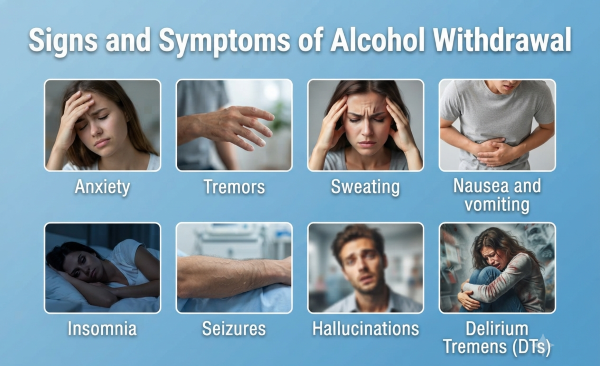
- Common side effects are anxiety, palpitations, sweating, nausea, insomnia and increased heart rate.
- Severe withdrawal may result in seizures, hallucinations, confusion, or delirium tremens.
- Those who have experienced extreme withdrawal may have an increased risk of complications.
- Quitting heavy drinking all at once can be risky if it is not done under medical supervision.
- While detox will help with the withdrawal phase, long-term care is essential for lasting recovery.
- A professional assessment may be able to provide support suggestions for the lowest level of support.
What Is Alcohol Withdrawal?
Alcohol withdrawal is the term for the symptoms that may occur if someone who is addicted to alcohol suddenly cuts back or stops drinking. Alcohol interferes with the brain’s communication. The nervous system gets used to the effect of alcohol with repeated use of it. Withdrawal from alcohol can temporarily overstimulate the nervous system.
This reaction brings about the withdrawal effects of alcohol addiction, which can impact the body, feelings, sleepiness and thinking patterns.
The National Institute on Alcohol Abuse and Alcoholism (NIAAA) reports that withdrawal can cause tremors, sweating, insomnia, vomiting, irritability, a fast heartbeat, depressed mood and in some cases seizures or hallucinations.
Withdrawal can happen differently for everyone. One person might experience some mild symptoms when they quit drinking alcohol, and another may require close monitoring.
What Are the Common Symptoms of Alcohol Withdrawal?
Alcohol addiction withdrawal symptoms may be physical, emotional and neurological. Common symptoms include:
- Shaking or trembling, especially in the hands
- Anxiety or nervousness
- Irritability
- Sweating
- Headache
- Nausea or vomiting
- Loss of appetite
- Trouble sleeping
- Restlessness
- Increased heart rate
- Increased blood pressure
- Difficulty concentrating
- Mood changes
- Slightly tired or unfeeling
Some people also may have intense cravings for alcohol. It can make it more challenging to stop and can lead to a vicious cycle where drinking is used to ease withdrawal symptoms temporarily.
Hallucinations, severe confusion, seizures, and delirium tremens are more serious symptoms. These symptoms must be treated immediately. Sometimes, alcohol withdrawal is life-threatening.
A note about severe symptoms
Avoid making an attempt to control severe withdrawal symptoms by yourself. Seek emergency medical attention if anyone experiences a seizure, extreme agitation, change in consciousness, hallucination or fever.
Not sure what to do next? WellMind Therapy Center is available to discuss suitable support for alcohol use issues and dual diagnoses of mental health concerns. Contact to talk about your situation and what care might be available for you.
Early Symptoms of Alcohol Withdrawal
Certain of the initial signs of alcohol withdrawal can manifest themselves within a couple of hours of the final drink, however, that may vary from person to person.
Symptoms may start with:
- Mild shaking
- Anxiety
- Sweating
- Headache
- Nausea
- Restlessness
- Difficulty sleeping
- Irritability
- Faster heartbeat
Some people experience these symptoms and have a false impression that it is a hangover. But the withdrawal is unique, as it’s caused by the body’s response to chronic alcohol use.
As the withdrawal progresses, symptoms may intensify. It is especially important that a person who has suffered from alcohol withdrawal should be careful not to go through withdrawal without proper medical supervision.
How Long Do Alcohol Withdrawal Symptoms Last?
Symptoms of alcohol withdrawal can manifest themselves differently in each individual.
Generally, signs and symptoms can occur within approximately 6 to 24 hours of the final drink. The symptoms may become evident in the first one to three days. When complications do occur, severe ones can occur during this time and necessitate close medical monitoring.
Many symptoms resolve in several days, but sleep disturbance, anxiety, mood changes and cravings can persist sometimes.
This isn’t a one-size-fits-all timeline. Withdrawal can vary based on amount and length of alcohol use, prior alcohol withdrawal history, physical health, medications and other substances.
Medical evaluation is especially critical for persons with a history of withdrawal or heavy drinking.
What Causes Alcohol Withdrawal Symptoms?
The primary reason is the brain and nervous system getting used to repeated exposure to alcohol.
Some types of brain functioning are slowed down by alcohol. The brain adapts to drinking over time, so that it can operate with alcohol present in its system. Suddenly going “cold turkey” from alcohol can make the brain overactive for a while.
This overactivity can exacerbate the symptoms of withdrawal from alcohol addiction, such as shaking, sweating, anxiety, insomnia, rapid heartbeat and agitation.
The brain’s stress and reward systems are also impacted by alcohol withdrawal. Anxiety, irritability, dysphoria, and emotional distress are some of the emotional symptoms of withdrawal, in addition to the physical symptoms, according to NIAAA.
This is one of the reasons why withdrawal can be overwhelming. It’s not just a matter of willpower.
Who is at Risk for Severe Alcohol Withdrawal?
Not everyone who has stopped drinking will experience severe withdrawal. But some things may make it more dangerous.
There are some situations that are considered to be more risky such as:
- Excessive and prolonged drinking of alcohol.
- Previous severe withdrawal
- Previous withdrawal seizures
- Previous delirium tremens
- A few previous withdrawals attempted
- Significant medical problems
- Older age
- Addiction to other substances
- Difficulty in accessing adequate support or monitoring.
If a person has ever experienced withdrawal seizures or delirium tremens, it is particularly significant to mention to a health care provider.
Formal assessment and monitoring is recommended by the American Society of Addiction Medicine (ASAM) and is a helpful guide to evaluating the treatment needed for a patient’s withdrawal.
How Is Alcohol Withdrawal Treated?
The symptoms of alcohol addiction and how severe they are will determine the treatment needed to ease the symptoms.
Medications to help minimize the risk of serious complications can include handling the disease with monitoring, supportive care, fluids as needed and nutritional supplements and prescription medications. Medically supervised acute alcohol withdrawal is often treated with benzodiazepines.
Setting may range from outpatient, residential or hospital-based depending on the person’s risk.
Most important of all, detox is the first step. Withdrawal management is not treatment for AUD, ASAM states. With continued care, underlying patterns that can lead to problems with alcohol use can be solved.
Treatment may be behavioral (when appropriate), psychiatric, relapse prevention, family treatment, and medications that are approved for alcohol use disorder.
What to Expect During Alcohol Detox
At an alcohol detox center, a group of professionals will be watching for signs and symptoms of changes and will be trying to keep the individual as safe and comfortable as they can be during the alcohol detox process.
This process may involve:
- Initial assessment is a professional evaluation of alcohol abuse, medical history, past alcohol withdrawal, medications, and other risk factors.
- Withdrawal monitoring: The signs and symptoms of withdrawal may be monitored regularly, including heart rate, blood pressure, tremors, anxiety and mental status.
- Supportive care: Adequate hydration, nutrition, rest and medical treatment can be given.
- Medication as needed: Medication may be used to help minimize withdrawal symptoms or complications.
- Ongoing planning: The team can assist with determining suitable ongoing care following withdrawal management.
- It’s not just about enduring a couple of tough days. It’s about making a safer transition into more long-term recovery.
- NIAAA emphasizes that medical assistance may be necessary when stopping alcohol, as it can be life-threatening for people with severe alcohol use disorder.

How Professional Support Can Help With Alcohol Withdrawal
Knowing the signs of alcohol addiction withdrawal is a crucial first step, but it’s not something you need to deal with on your own.
Professional assistance can be used to decide if symptoms have the possibility of being withdrawal, the level of risk involved, and the type of care that may be suitable. It may also be useful for anxiety, depression, trauma, sleep difficulties, or other issues that may arise along with the use of alcohol.
At WellMind Therapy Center, the focus could go beyond the immediate symptoms. An individualized plan may be useful for addressing alcohol-related issues and promoting emotional health and alternative coping mechanisms.
Call WellMind Therapy Center today if you or a loved one is experiencing alcohol-related issues. Early support can help make things clearer and help you take the next step in your journey to recovery.
Frequently Asked Questions
What happens to your body when you stop drinking alcohol?
After a period of heavy drinking, the nervous system may be overactive when you stop drinking. Shaking, sweating, anxiety, nausea, insomnia, higher heart rate and cravings may occur. Withdrawal may be severe, resulting in seizures and/or delirium, and medical support is required.
What are the symptoms of severe alcohol withdrawal syndrome?
Very severe alcohol withdrawal may involve extreme agitation, hallucinations, great confusion, convulsions, fever, high blood pressure and delirium tremens. These symptoms may be life-threatening. If anyone is experiencing extreme confusion, seizures or changes in consciousness, they should be taken for emergency medical evaluation.
What are the different stages of withdrawal from addiction?
The process of withdrawal is sometimes experienced as early symptoms, worsening symptoms and potential serious complications. Alcohol intoxicates can start within hours, get worse over the first couple of days, and slowly get better. The path to the exact course varies and so can severe withdrawal symptoms.
What happens when you’re 10 days sober?
Many acute withdrawal symptoms may have begun to improve by day 10, however it varies from person to person. Others have ongoing issues with sleep, anxiety, fatigue, mood changes or cravings. These symptoms can be helped and risk of relapse minimised with ongoing support.
What are 5 withdrawal symptoms?
The 5 common alcohol withdrawal symptoms are shivering, perspirations, anxiety, nausea and insomnia. Other symptoms include headache, restlessness, irritability, elevated heart rate and cravings. Withdrawal may be more severe, with seizures, hallucinations or delirium.
How do you know your withdrawal?
If you experience symptoms like shaking, sweating, anxiety, nausea, insomnia or a fast heartbeat after cutting down on or stopping heavy drinking of alcohol, you might be suffering from withdrawal. Symptoms should be assessed by qualified health personnel as they can rapidly progress in severity.
A Final Word on Alcohol Withdrawal
Alcohol addiction withdrawal symptoms can be both uncomfortable, frightening and sometimes dangerous. Some people might recover within a few days or weeks, but you can’t just tell from the chemicals’ amount of the day before which people will recover or not.
When someone is thinking about quitting alcohol consumption after he or she has been drinking a lot, it’s important to consult a healthcare professional before trying to detoxification alone. If symptoms are severe, including seizures, hallucinations, serious confusion or loss of consciousness, get emergency medical help right away.
Addiction recovery is not over when the withdrawal symptoms go away. Alcohol use disorder is treatable, and continuous support could be helpful in managing cravings, emotional issues, triggers, and behaviors that could hinder sustained recovery.
WellMind Therapy Center can help you discover what’s available. Call us today to make a serious informed decision to recover and improve your life!
Disclaimer
This article is for general educational information purposes only and is not intended to be a substitute for medical advice, diagnosis or individualized care by a qualified healthcare professional. Alcohol withdrawal may be a life-threatening condition, especially following chronic heavy drinking. Please do not rely on this article to decide if it’s safe to stop drinking yourself. Get medical advice and contact emergency services if you have severe symptoms, such as seizures, a lot of confusion, hallucination or unconsciousness.
References and Content Sources
- National Institute on Alcohol Abuse and Alcoholism (NIAAA), Alcohol Use Disorder: From Risk to Diagnosis to Recovery — information on alcohol withdrawal symptoms, risks, and withdrawal management.
- National Institute on Alcohol Abuse and Alcoholism (NIAAA), Understanding Alcohol Use Disorder — information on alcohol withdrawal and evidence-based care options.
- American Society of Addiction Medicine (ASAM), Clinical Practice Guideline on Alcohol Withdrawal Management — guidance on assessment, monitoring, and withdrawal management.
- National Institute on Alcohol Abuse and Alcoholism (NIAAA), The Cycle of Alcohol Addiction — information on the physical and emotional aspects of alcohol wit