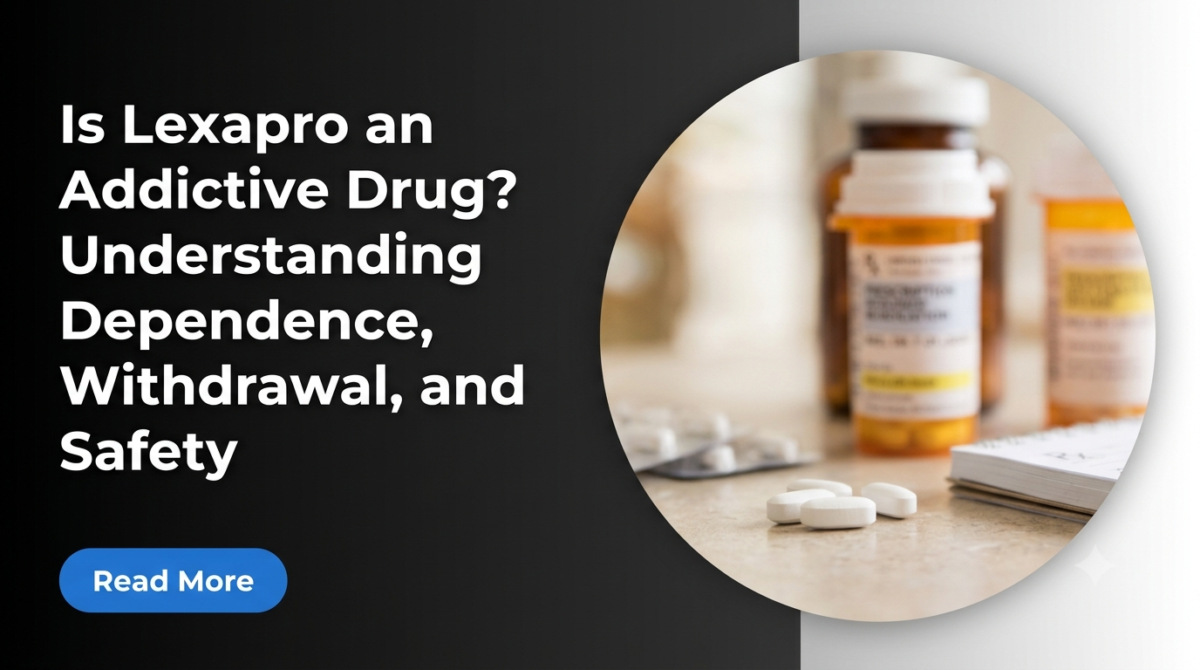
Is Lexapro an Addictive Drug? Understanding Dependence, Withdrawal, and Safety
When you’re considering taking Lexapro or have already begun taking it for anxiety or depression, you might ask yourself, “Is lexapro addictive? The answer is no, as Lexapro is not addictive, meaning it does not cause cravings or compulsive use or rewarding effects as other substances do. But, your body can get used to the drug and suddenly stopping it can produce withdrawal symptoms. It is important to distinguish between addiction, physical dependence and discontinuation effects, to make informed decisions about mental health.
Escitalopram is a prescription antidepressant medicine that’s used to treat major depressive disorder and generalized anxiety disorder and is sold under the brand name Lexapro. It is one of a class of drugs known as selective serotonin reuptake inhibitors (SSRIs). They are drugs that work on serotonin, a chemical in the brain that regulates mood and emotion.
We want everyone to feel confident in their mental health decisions and believe that it is important to provide clear information at WellMind Therapy Center. As a mental health website provider with a specialization in Psychiatry websites, we understand the significance of proper, dependable mental health information. This guide describes how Lexapro works, if it can lead to dependence, what to expect after you stop taking Lexapro, and when to get professional advice.
Key Takeaways
- Lexapro is not a “drug of abuse. It does not tend to lead to craving or compulsion like drugs and alcohol do.
- Tolerance or physical dependence is possible. Your body can get used to consuming Lexapro over time.
- Discontinuation symptoms can occur with sudden cessation. Dizziness, nausea, irritability, sleep difficulties and odd sensations can happen.
- Withdrawal is not necessarily an indicator of addiction. They may occur during a change in the amount of drug in the body.
- Avoid abruptly discontinuing Lexapro without consulting a doctor. Slowly tapering off the dose one by one can help minimize discontinuation side effects.
- Treatment needs to be individualised. A qualified prescribing professional will be able to help you consider the pros, cons, and alternatives.
Is Lexapro an Addictive Drug?
No, Lexapro is not a drug that is generally addictive. It does not have a high producing effect on the user and is not a controlled substance in the United States. It is not a substance with which addiction is typically associated, like opioids or some sedatives.
But, the question of “is Lexapro addictive” is not the same as “can you become dependent on Lexapro?
Your brain and body gets used to the effects of the medicine with regular use. The body might require some adjustment if you suddenly stop taking it. This can cause symptoms sometimes referred to as antidepressant withdrawal symptoms.
These symptoms are seen with the discontinuation or reduction of an SSRI. They don’t necessarily indicate that you are addicted.
A person taking Lexapro for many months could experience dizziness or anxiety when suddenly stopping the drug. It can be uncomfortable, and does not always mean substance dependence or substance abuse disorder.
The difference is that Lexapro does not lead to dependency but addiction.
What is Lexapro and How Does It Work?
Lexapro (escitalopram) is a type of SSRI that is used to treat some mental health problems, such as depression and generalized anxiety disorder.
It acts by interfering with the ability of nerve cells in the brain to reabsorb serotonin. Serotonin is involved in the regulation of mood, sleep and other functions. Lexapro extends the time that serotonin is available between nerve cells by preventing its reabsorption.
This process can help alleviate lasting sadness, worry and other symptoms of depression and anxiety.
Lexapro does not typically cause any immediate relief. This can take a couple of weeks, or even longer, before you notice any changes, and it may take a while before you get some of the full benefits. Time frame is different for everyone.
Lexapro can be prescribed based on your symptoms, medical history, other medications and treatment goals. Follow-up appointments are important to check how the treatment is going and if there are any side effects.
What is the Difference Between Addiction and Physical Dependence?
Learning about these medications may help you better understand what happens when you take Lexapro.
Addiction is characterized by compulsive use of a substance despite the negative effects. It can involve intense cravings, loss of control or persistent use despite major issues.
Addiction to a substance or drug can result in physical dependence. Symptoms of withdrawal or discontinuation could occur when the dose is decreased or the substance is discontinued. These work differently.
A user of Lexapro who is taking the medication properly, for example, can develop a physical dependency on it. They may feel dizzy, sick, sleepy or have mood changes if they suddenly stop. It is not a sign of addiction.
This applies to the assessment of other prescription drugs. Medicines that are used and approved for a health reason may lead to physical dependence, which is not in itself a sign of addiction.
If you’re concerned you might need to take a medicine every day, talk to your prescribing professional about your worries. If you’re taking an antidepressant medication as prescribed, this is not a failing of your, and a need for continued use of the medication does not necessarily constitute a drug abuse problem.
Can You Become Dependent on Lexapro?
Yes, regular use of Lexapro can lead to physical dependency. This is a possibility that is known with SSRI medications, particularly if taken regularly for a long time.
The risk of and the severity of discontinuation symptoms may depend on the factors including:
- The duration of time you have been taking Lexapro.
- Your prescribed dose.
- The rate at which the dose is decreased.
- How a person reacts to the medication.
- If you have had discontinuation symptoms in the past.
If you are physically dependent on Lexapro, it doesn’t mean it no longer works or that you are abusing it. It just implies that your body has actually gotten used to its presence.
This is why it is important to make changes to medications in a planned way and not suddenly. Talk to your prescriber if you’d like to stop taking Lexapro because you feel better, because you have concerns about the side effects, or because you want to try something else.
They can assist you decide if it’s best to take the drug longer, make changes, or slowly stop taking it.
What Are the Symptoms of Lexapro Withdrawal?
Some antidepressant discontinuation symptoms can occur when people decrease or stop taking Lexapro. These can start a few days after a dose reduction or missed doses, but vary depending on when the reduction or dose was missed.
Possible symptoms include:
- Lightheadedness or lack of balance.
- Stomach pain or upset.
- Headaches.
- Weakness or flu-like symptoms.
- Mood changes or irritability.
- Anxiety or agitation.
- Insomnia or nightmares.
- Difficulty concentrating.
- Occasional, “electric shock-like” feeling or tingling sensation, referred to as “brain zaps.
Not all people will have these symptoms. Some people’s reaction is mild, others more disruptive.
Some of the symptoms of discontinuation may be similar to those of depression or anxiety. They are not synonymous, however. A prescriber can assist in determining the onset of symptoms, the symptom’s nature and whether it is a return to the initial condition or a withdrawal from the medication.
If symptoms are more serious, lasting or disrupting everyday life, talk to your prescribing professional. If you think you have suicidal thoughts, severe confusion, or other potentially life-threatening symptoms, get urgent help.
How Long Does Lexapro Withdrawal Last?
There is no set schedule for stopping Lexapro. Some people may have mild symptoms, which last for a week or two, or they may have symptoms that last longer.
The length of time may vary based on the dose, length of time on medications, decreasing the dose and individual response.
Symptoms can start to occur in days of stopping or decreasing Lexapro’s dosage. They do not always go up in a continual manner but some need more professional assistance to control them.
One must be cautious that all new symptoms are not withdrawal. There can be other symptoms, such as anxiety, low mood, sleep difficulties, that may be also signals that the initial condition is returning.
If you’re considering stopping Lexapro, request the prescriber to come up with a suitable tapering schedule. Contact them before proceeding with even further dosage changes if symptoms occur when the dosage is being reduced. Don’t increase, decrease or restart without professional advice.
How Can You Stop Taking Lexapro Safely?
The best way to end the use of Lexapro is to do it in consultation with the health care professional who gave you the medication. In many cases, it’s not stopped immediately but is slowly decreased over time.
A tapering program might include a gradual reduction in dosage and keeping track of your symptoms throughout the process. The speed varies based on your current dose, past experience with dosage changes, symptomology, and treatment history.
Here are some simple measures to share with your doctor:
- Include reasons for wanting to quit. The plan may be affected by the side effect, improvement of symptoms, cost, or preference of the patient.
- Examine past doses and treatments. This helps your prescriber to understand your particular situation.
- Discuss symptoms to look for. Understanding what to expect can help identify effects of discontinuations.
- Schedule follow-up appointments. Check-ins can helps detect symptoms of withdrawal or a re-return of anxiety or depression.
- Discuss additional support. You can continue to make progress using appropriate strategies such as counseling, healthy routines, etc.
If the dose is not to be omitted or alternated so that an individual can make their own tapering schedule, do not do so. Avoidable symptoms can result from sudden changes.
Kicking medicine is a choice you make, but it’s not something you have to do on your own.
What Are the Side Effects of Lexapro?
Lexapro may have side effects, as do all other prescription drugs. These are different from addiction and do not necessarily indicate physical dependence.
Side effects are:
- Nausea.
- Headaches.
- Sleepiness or difficulty sleeping.
- Increased sweating.
- Fatigue.
- Dry mouth.
- Altered libido and/or sexual function.
Some side effects get better as the body gets used to them, while some will persist. Report any side effect that lasts, is bothersome or interferes with daily living to your prescriber.
Some individuals will experience more severe side effects with Lexapro. These can involve an increased risk of suicidal ideation or suicidal behaviour in children, adolescents and young people, particularly during early treatment or when the dose of medication is adjusted. If there is a marked change in mood and behavior, obtain immediate expert advice.
In rare cases, Lexapro may also lead to serotonin syndrome, which is a serious reaction that may result from high levels of serotonin activity. Symptoms can be agitation, fever, heavy sweating, rapid heart rate, tremor or muscle stiffness. If you think this reaction may happen, get medical help immediately.
Never discontinue Lexapro, even if you see a side effect. Talk with your healthcare provider about what is the best next step.

Can Lexapro Change Your Personality?
Lexapro is not a medicine to help people change. It’s used to alleviate symptoms of depression or anxiety and make daily living and interpersonal relationships easier.
For some people, taking the drug gives them a better sense of emotional balance. Some people may experience unwanted effects, such as numbness, being unusually tired, or decreased interest in activities. The answers are different, and these experiences should be explored.
Let your prescriber know if you feel out of yourself. They can discuss dosage, onset of symptoms, other drugs and alternatives.
Last, it should be noted that depression and anxiety can also have an impact on experiences of motivation, emotions and personality. If symptoms are due to a side effect of the medication, a professional assessment may be helpful to determine that.
It is not supposed to be a choice between controlling your mental health symptoms and feeling like you. With open dialog, you might be able to discover a strategy that is more suitable for you.
When Should You Seek Professional Help?
Consider speaking with a qualified mental health professional or prescribing professional if you:
- Consider initiating or discontinuing Lexapro.Consider introduction or withdrawal of Lexapro therapy.
- Sustained or troublesome side effects.
- Experiences withdrawal symptoms if taking a dose is missed or when changing medications.
- Recognize that you feel depressed or anxious again.
- Unsure if symptoms are due to medication or due to other issues.
- Desire to consider alternatives and/or additional support.
Contact emergency medical services right away if you are having suicidal ideation, severe agitation or a significant reaction to your medication. If you are able to act on the thoughts of suicide or if you can’t keep yourself safe, call emergency services or head to the closest emergency department.
Get Support for Your Mental Health
You have the right to simple answers about your medication and a care plan that is based on your concerns. When a person is suffering with anxiety, depression or doubts about psychiatric medication, it can be helpful to get professional advice to understand what choices are available and to be able to make informed decisions.
Speak with WellMind Therapy Center to understand the mental health resources available and what may move forward for you. Talk with a competent health care provider about any medication concerns who will evaluate your unique needs.
Frequently Asked Questions
1. Is Lexapro addictive if you take it every day?
No. Lexapro addiction does not mean you are taking Lexapro daily as prescribed. However, physical dependence can develop with the medication and abrupt discontinuation may lead to discontinuation symptoms. If you are changing your dose follow your prescriber’s advice.
2. Can you take Lexapro for years without becoming addicted?
Taking Lexapro for an extended period of time does not necessarily lead to addiction. Others use it for long periods of time, supervised by a professional. Periodic evaluations enable the benefits, side effects, and continued appropriateness of the drug to be evaluated.
3. Is Lexapro harder to stop than other antidepressants?
Not all antidepressants and people experience the same discontinuation experiences. Withdrawals can happen during the use of Lexapro; however, they may be more severe depending on the dosage, length of treatment, and how quickly you taper off of it. Your prescriber can assist you to develop a plan that is right for you.
4. What happens if you suddenly stop taking Lexapro?
Sudden withdrawal can lead to dizziness, nausea, headaches, irritability, sleep disturbances, and odd sensations. Return of depression or anxiety is also possible. Talk to your prescriber before you stop and consult your prescriber if you have serious or dangerous side effects.
5. Does needing Lexapro mean you have an addiction?
There’s no need to feel embarrassed to have to take a medication to cope with depression or anxiety, and it doesn’t necessarily signal an addiction. Addiction is defined as using compulsively even if it is harmful, whereas, physical dependence is when the body adapts to a medication, even when it is being used properly.
Medical Disclaimer
This information is for educational purposes only and does not constitute medical advice. It is not a substitute for professional diagnosis, treatment recommendations, or individualized guidance from a qualified healthcare professional. Do not start, stop, or change a prescribed medication without consulting your prescriber.
References
- U.S. Food and Drug Administration (FDA). Lexapro (escitalopram) prescribing information and medication safety.
- National Health Service (NHS). Antidepressants.
- Royal College of Psychiatrists. Stopping antidepressants.
- MedlinePlus, U.S. National Library of Medicine. Escitalopram.